I tell people being a Boilermaker is a lifestyle... You can live in your Native American community. You travel, make good pay and then live in your community between projects.
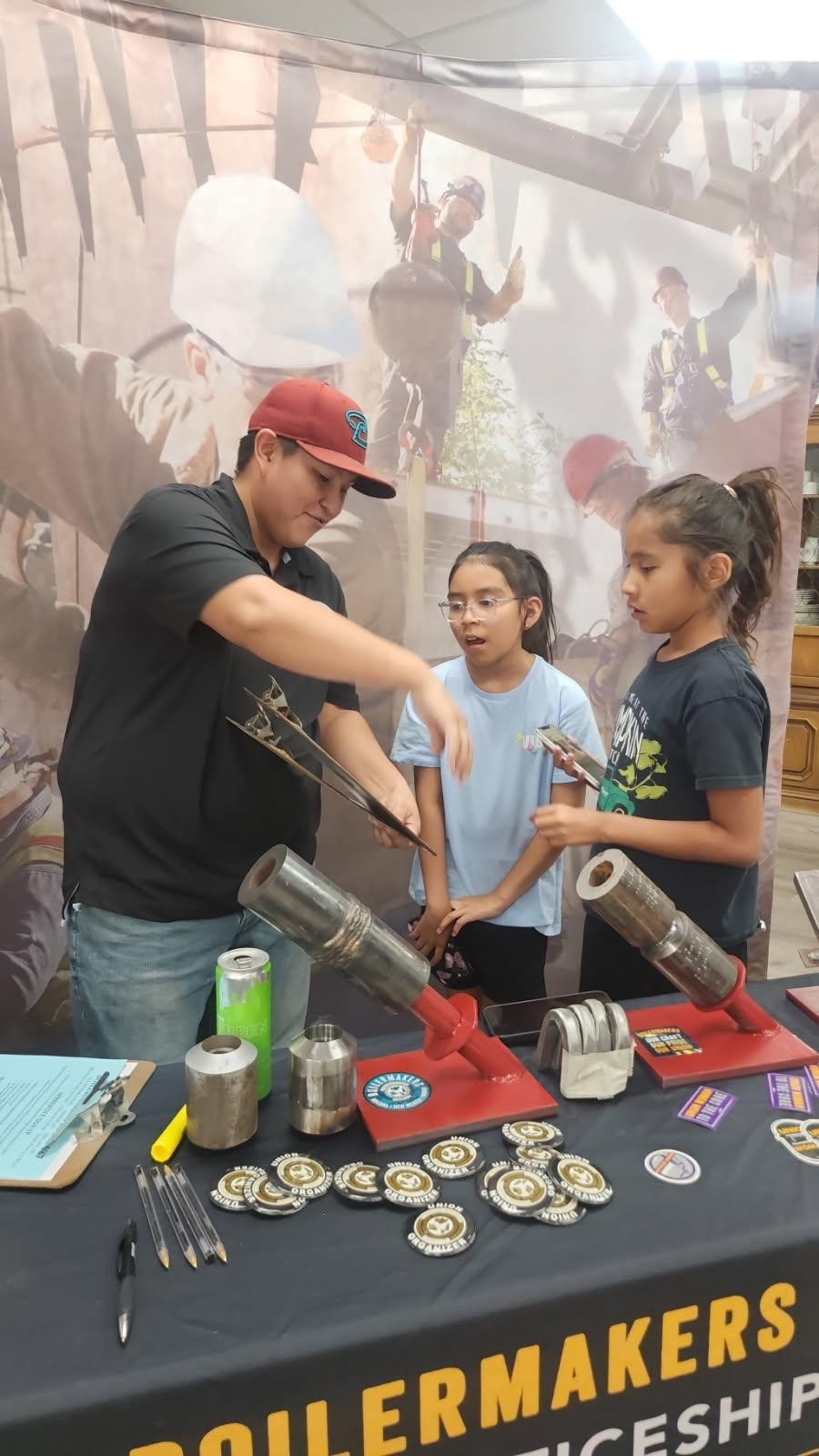


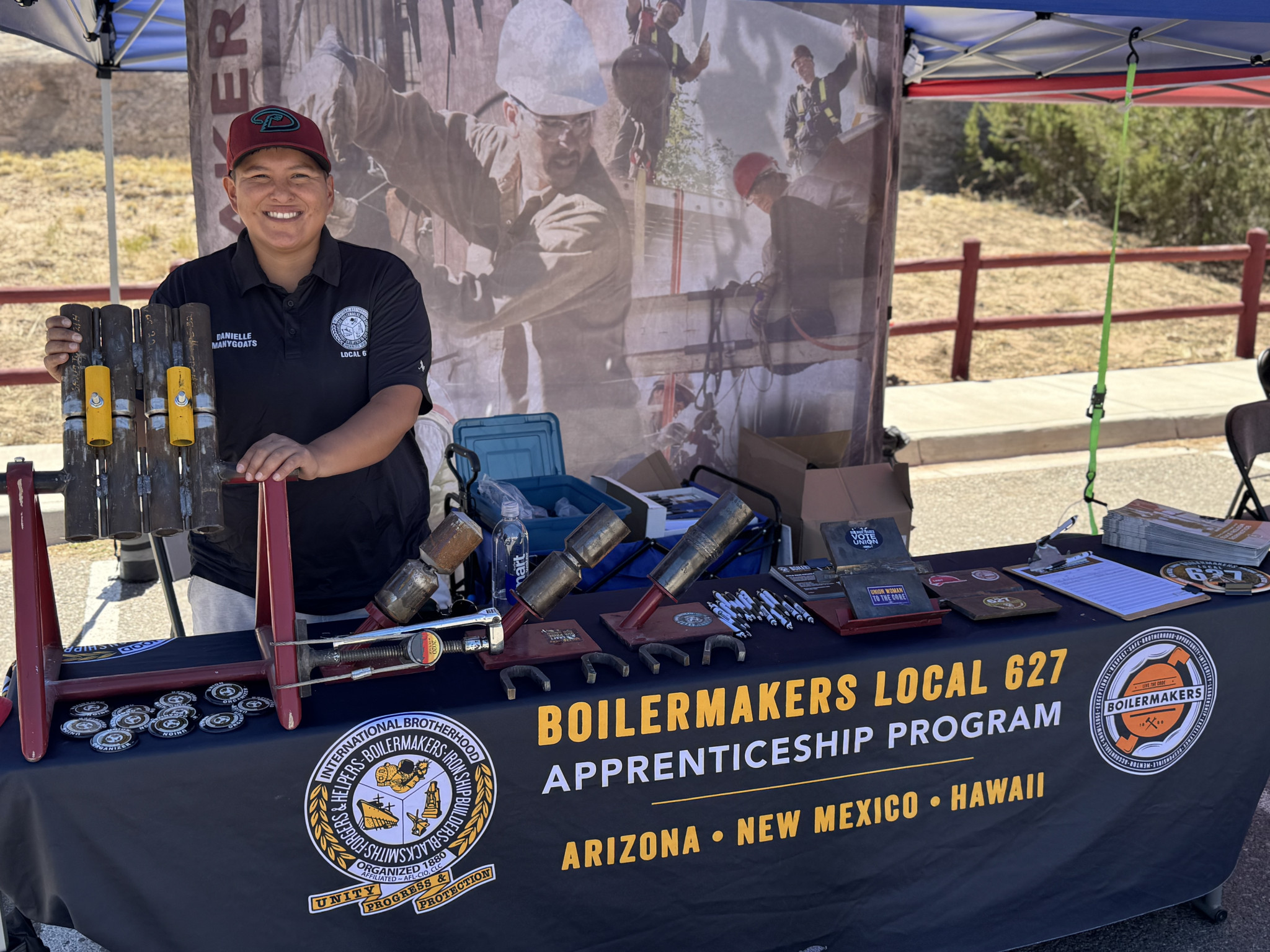
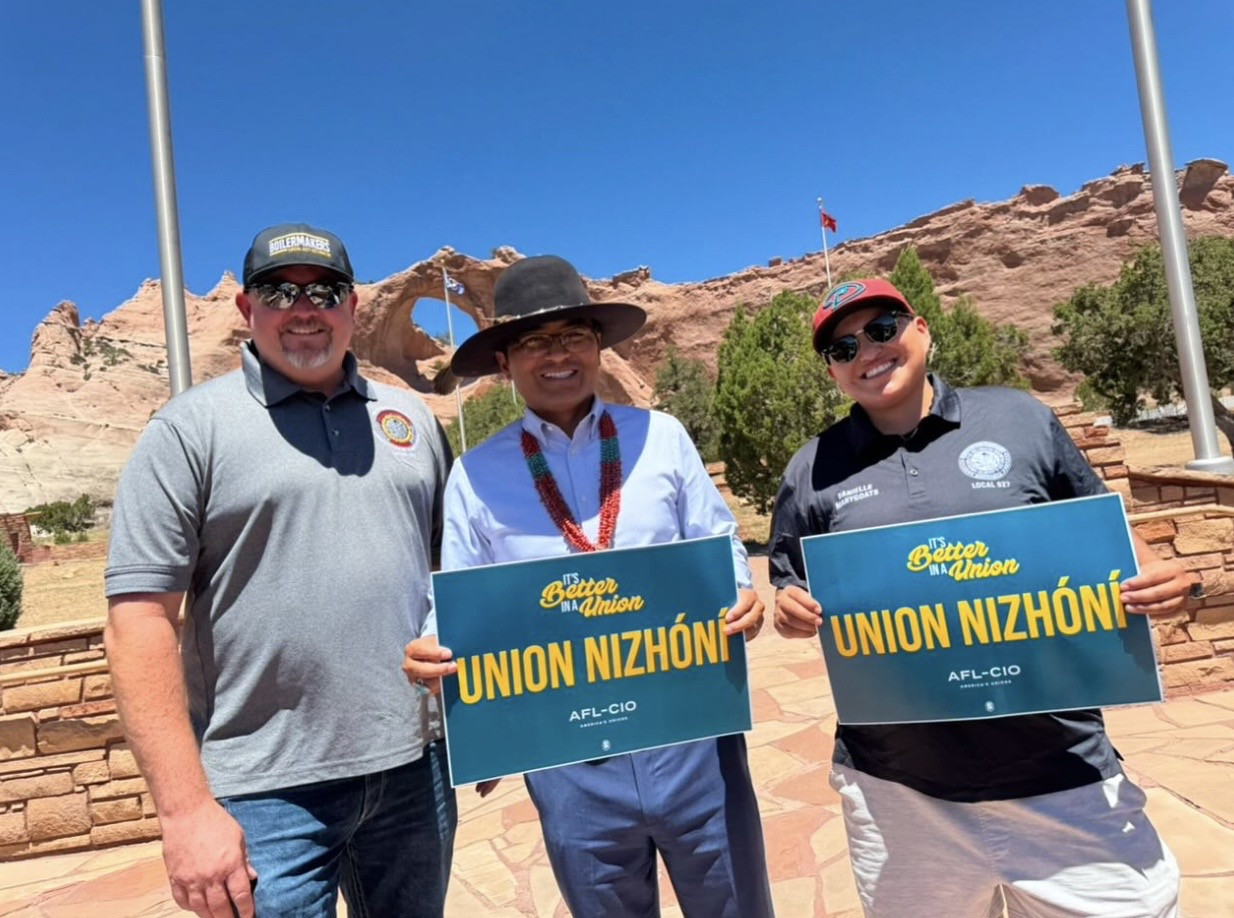
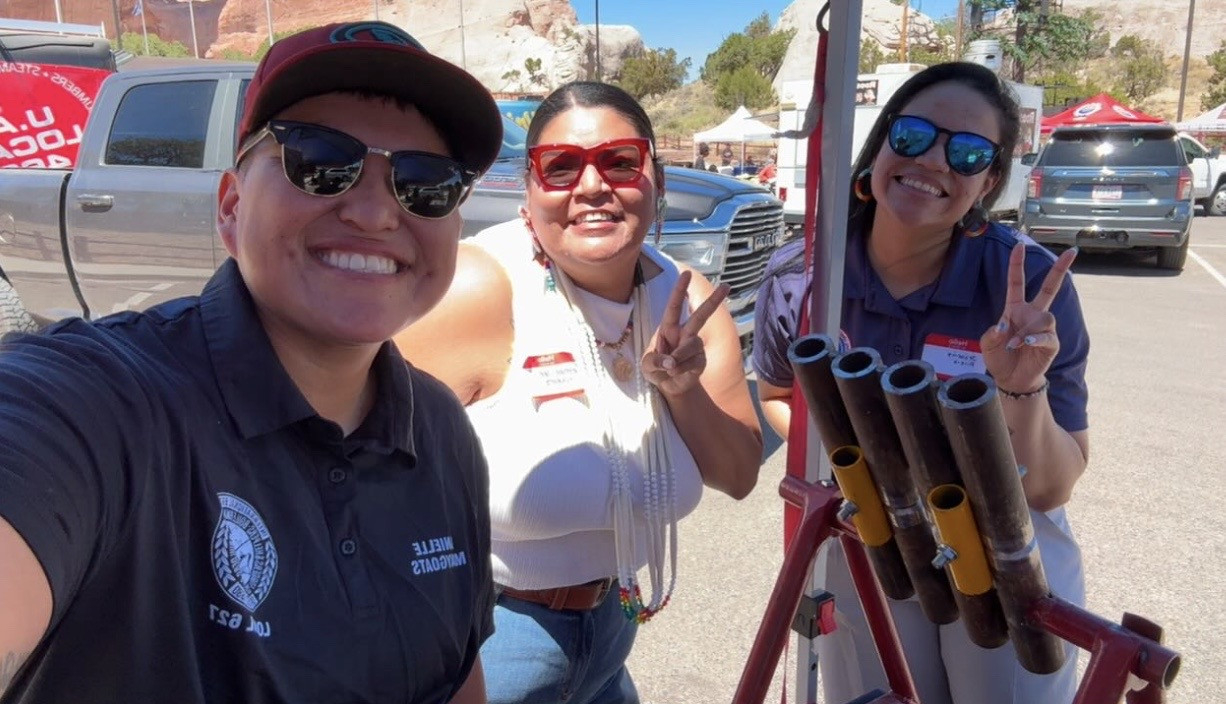
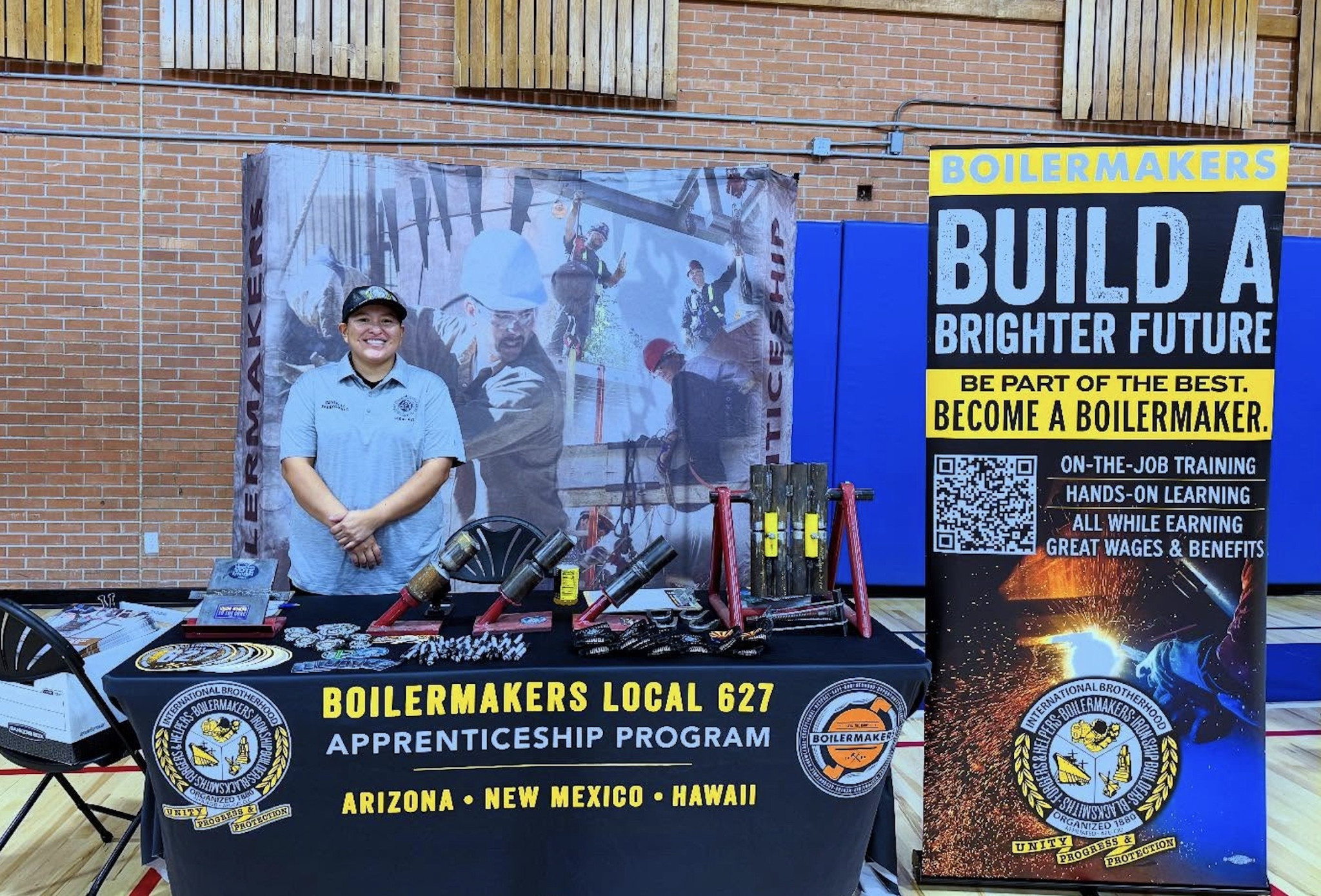
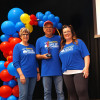
The nieces of L-627 Boilermaker recruiter Danielle Manygoats get wide-eyed learning about their aunt’s career at a job fair.
View Photo Gallery (7 photos)
Danielle Manygoats knew when she was in high school that she wanted to pursue a career in welding. She knew it paid well and she knew welders were always in high demand.
She didn’t waste time getting started. She graduated high school early in Flagstaff, Arizona, to attend Tulsa Welding School and earn her welding certificate. One of her welding school friends scored a lead on a job out of Local 101 (Denver), where Manygoats got hired as a permit worker and cut her teeth in the Boilermaker trade.
“They were explaining that there’s a union local lodge in just about every state,” she recalls. “I got lucky, because I found mine in Arizona at 18 years old.”
She went back to her home state and indentured with Local 627 (Phoenix). Over her 16 years with the Boilermakers, she became a journeyman and has served as a foreman, steward and general foreman on projects.
“My career as a Boilermaker has taken me to many places, levels and heights,” she says. “I’m really fond of the field. I love being out there and getting dirty and doing the work!”
But she isn’t just passionate about working in the profession, she’s also passionate about telling anyone she can about the Boilermaker career path. And through a BuildItAZ grant, that’s exactly what she’s able to do as a fulltime recruiter, since April. The grant focuses on recruiting young adults in Native American communities—familiar territory for Manygoats, who is Navajo.
L-627 Business Manager/Secretary Treasurer Jacob Evenson had her in mind when he applied for the grant to fund a fulltime recruiter. Arizona State Governor Katie Hobbs and the Arizona Office of Economic Opportunity had put out the call for grant applications with BuildItAZ, a new apprenticeship initiative designed to build a pipeline and pathway to family-sustaining jobs in the state’s construction industry. BuildItAZ’s goal is to double Arizona’s registered apprenticeship numbers to meet construction demands as the energy industry swells to fulfill data center, semiconductor plants and other growing megawatt gobbling industries.
More than $1 million in grants was awarded in the early Spring 2025 cycle, of which L-627 was awarded $106,000 to pay a full-time recruiter and cover recruiting expenses, such as promotional material, giveaways and booth costs.
“We’re short-handed on staff at the hall, and everyone is busy and can’t get to career fairs and such. With so much work coming up, we needed workers,” Evenson says. “I knew Danielle would be a good fit as a recruiter and to talk to young people and people from the Navajo Nation and other tribes. She has a long history of experience in the field, and her pathway to the Boilermakers is a good story for new people thinking about the trades.”
In her role, Manygoats attends job fairs and community events and visits anywhere she can set up a booth, hand out flyers and talk up the trade. She’s even led a call with 13 tribes in the Tribal Board to explain what the Boilermakers union is, and she’s arranged for apprentice candidates to be bussed to the union hall to visit and apply.
"Visiting Native American communities, I see grandmothers, grandfathers parents who are pushing and encouraging their sons and daughters to join the trade,” Manygoats says. “I especially want to reach more Native Americans such as Pima or Gila River tribes. These communities have more financial support from their tribal leaders.”
“I tell people being a Boilermaker is a lifestyle. You can live wherever you want to live, because you travel to the job,” she says. “So, you can live in your Native American community. You travel, make good pay and then live in your community between projects.”
And when she talks to other women and younger girls about the Boilermakers, the key, she says, is telling her own story:
“When I say I’ve been a foreman and a steward leading people out in the field—when they hear my story—they’re not so afraid. They can understand it’s possible for women to be in this job and that women can guide men and be in command. And it’s the same pay, same job, no difference for men or women. I share that it’s not just welding, there are other aspects of it.”
Between recruitment gigs, she helps with L-627’s apprenticeship classes.
Evenson says he continues to explore other grant opportunities. He plans to apply for the next round of grant funding through BuildItAZ.
“You’ve got to watch for these opportunities and get involved politically,” he advises. “And apply—even if you don’t win the grant the first time, keep applying. There are a lot of grants out there.”
Watch L-627’s Danielle Manygoats share her career story as she promotes the trade with BM-ST Jacob Evenson on Arizona news