This union was not formed in the shadows, but on the streets.
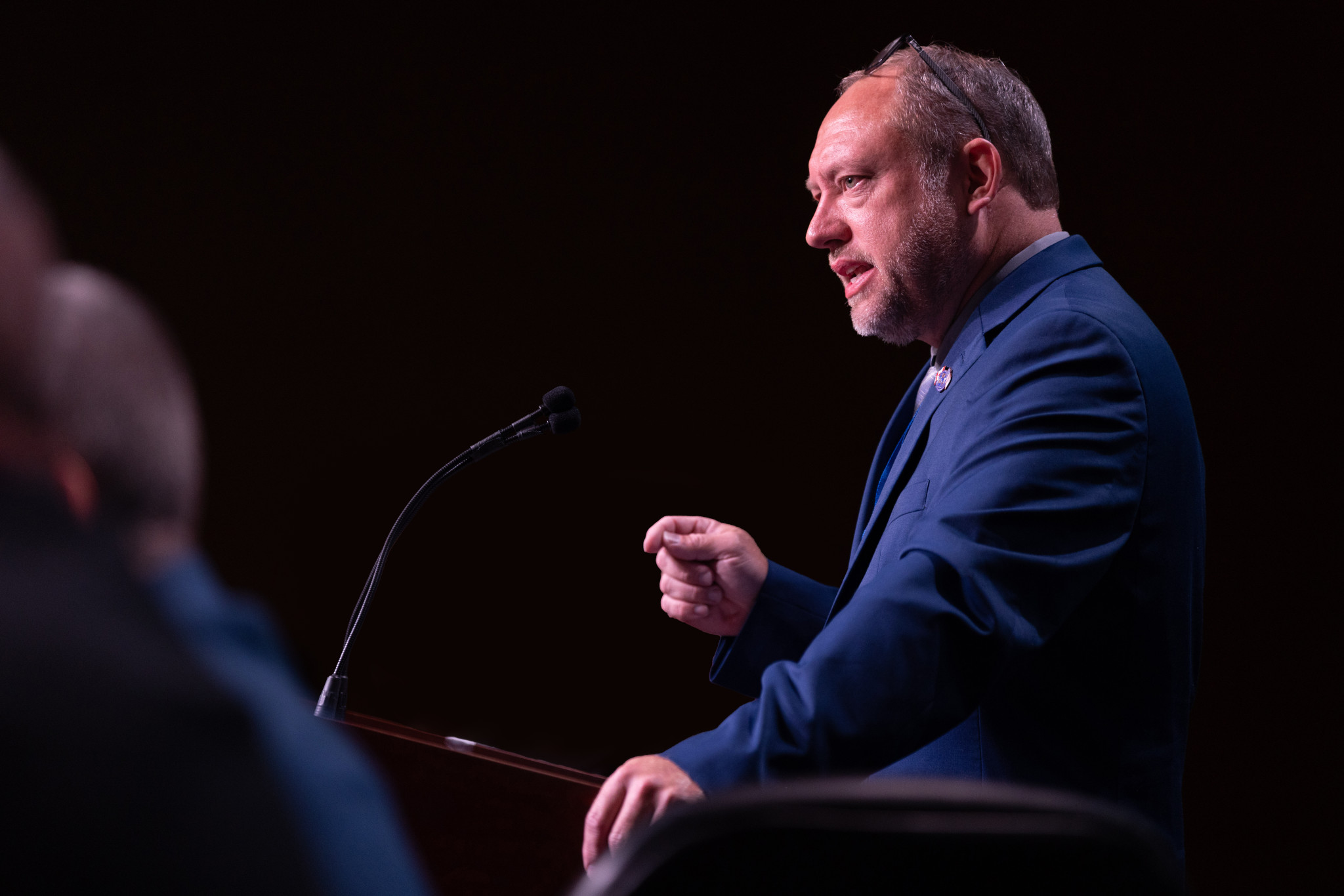
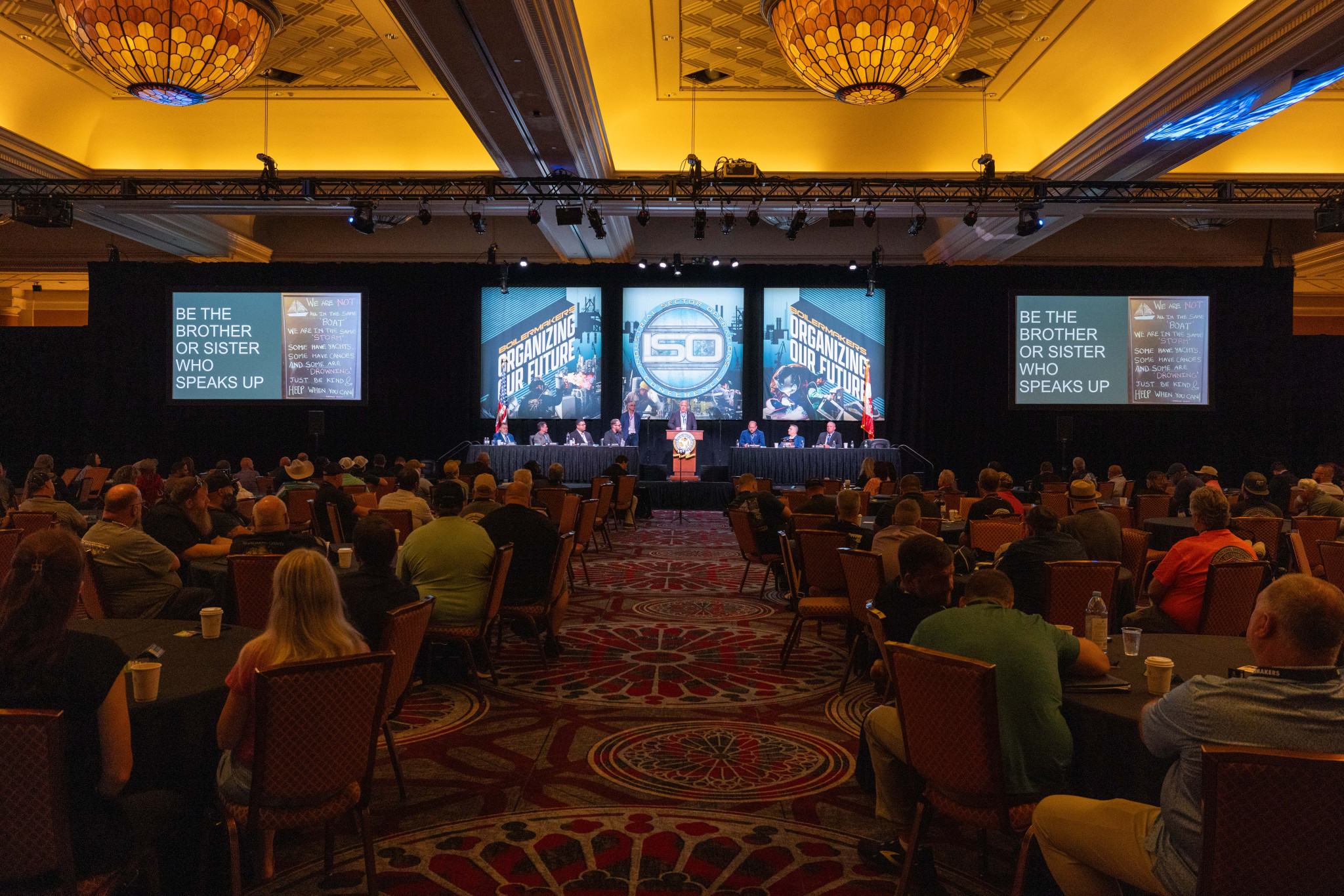
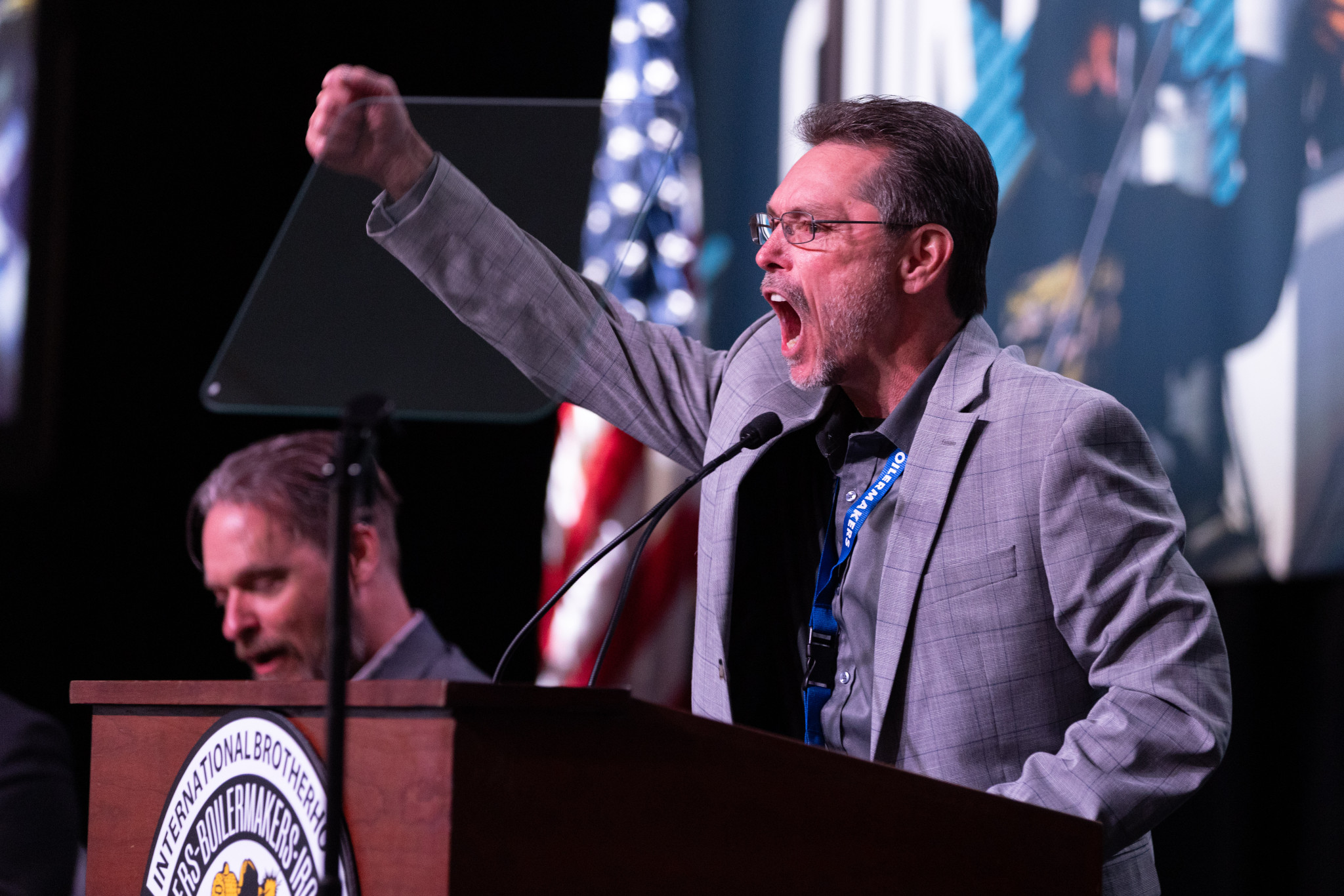

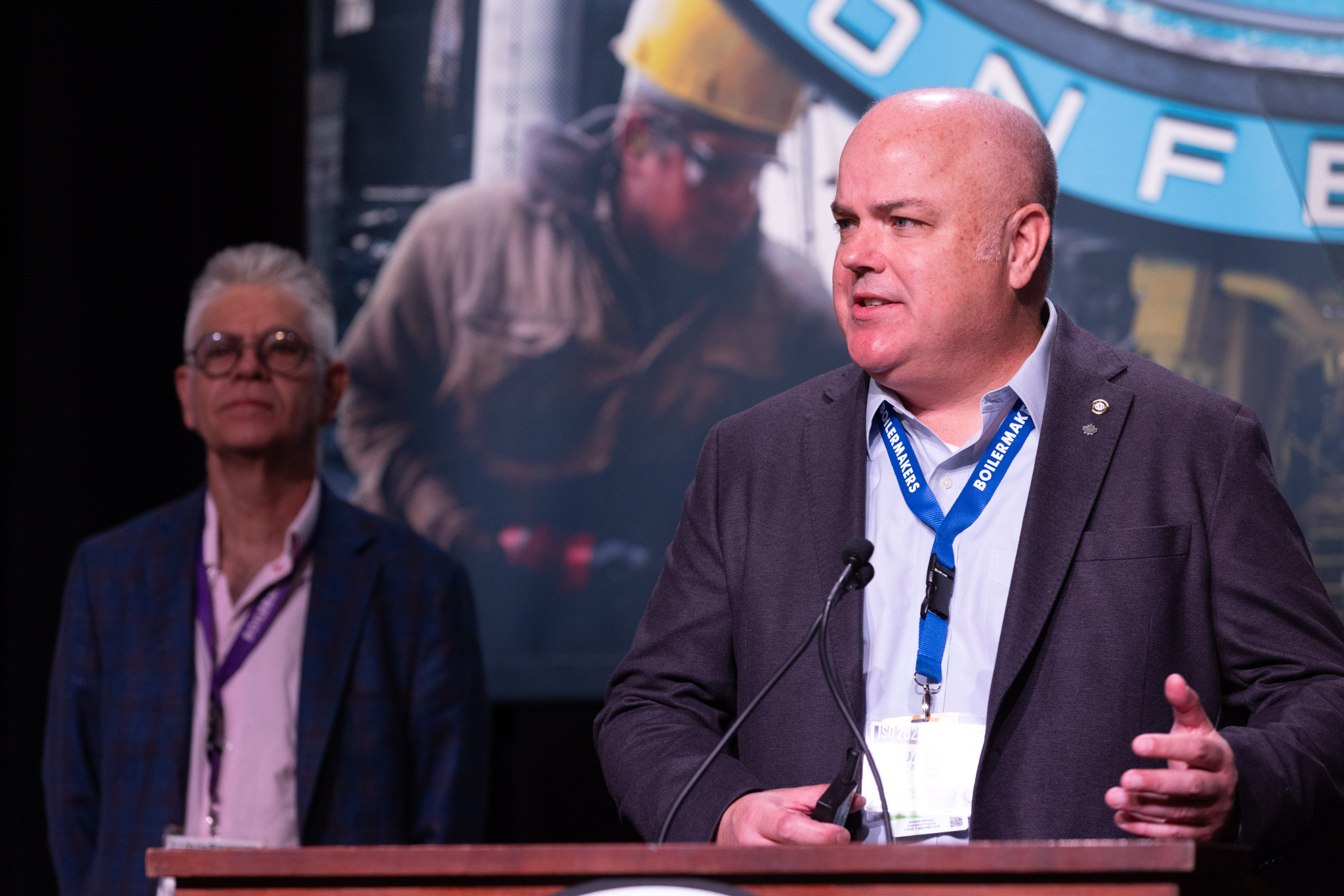
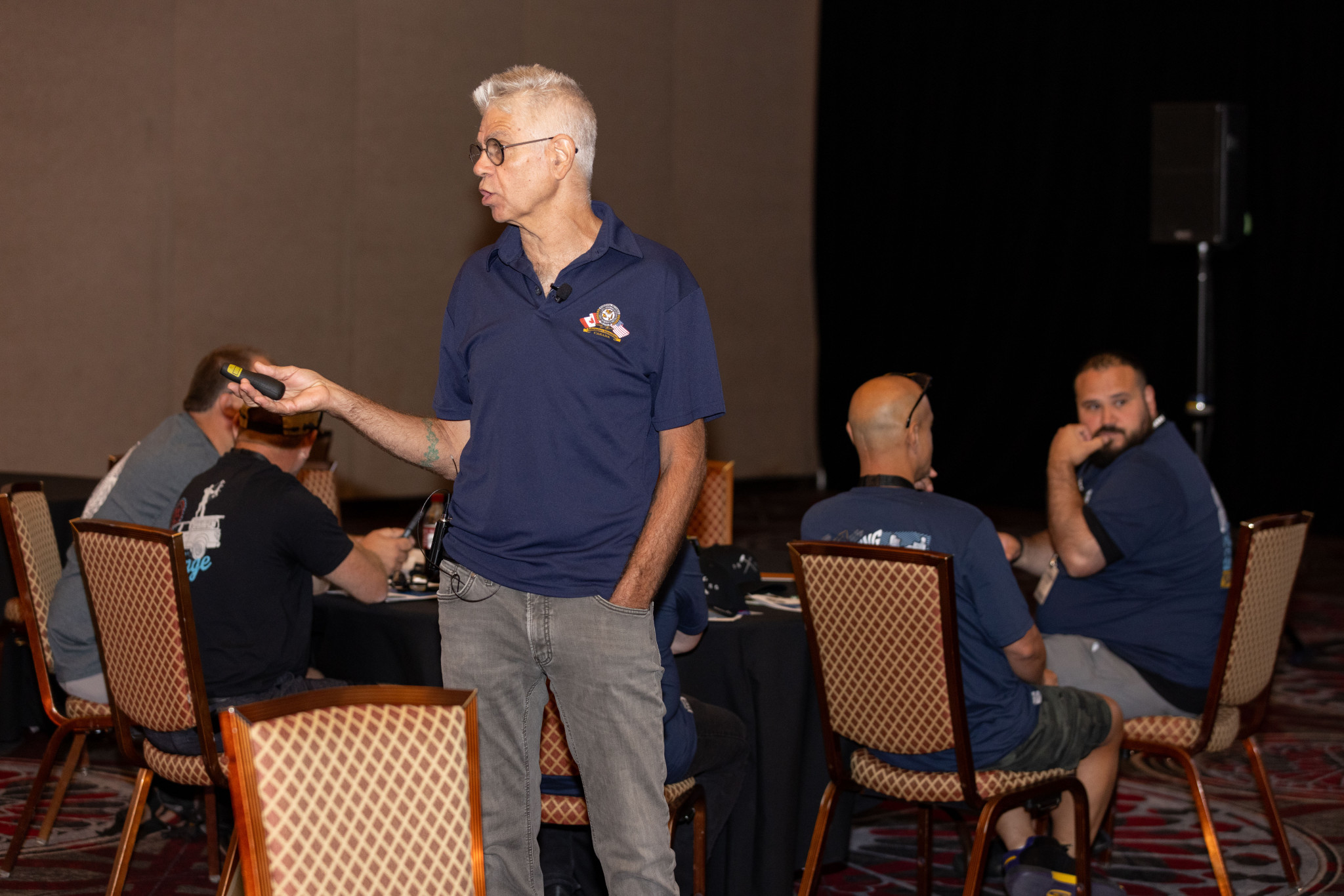


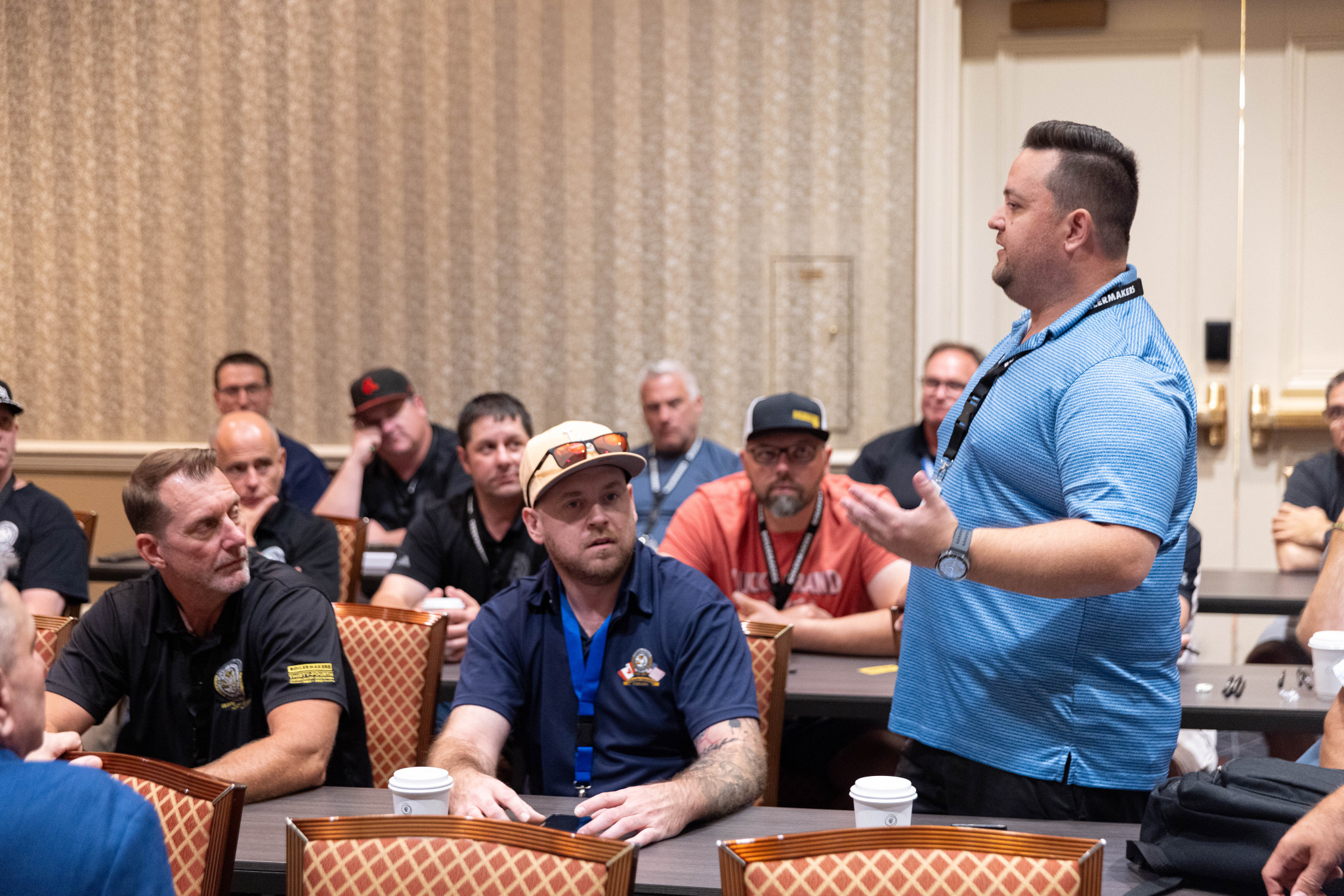
International President Timothy Simmons addresses participants.
View Photo Gallery (28 photos)
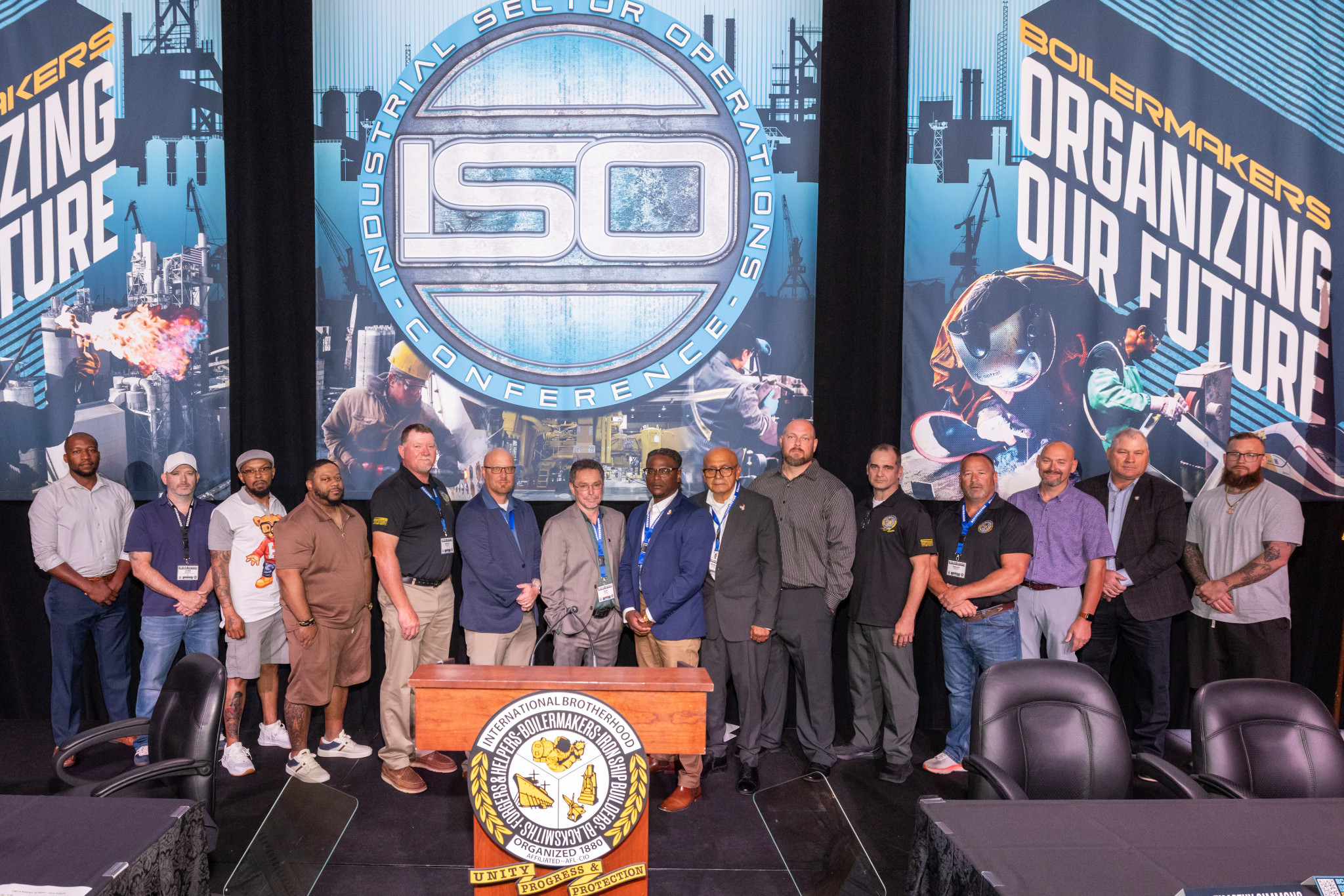
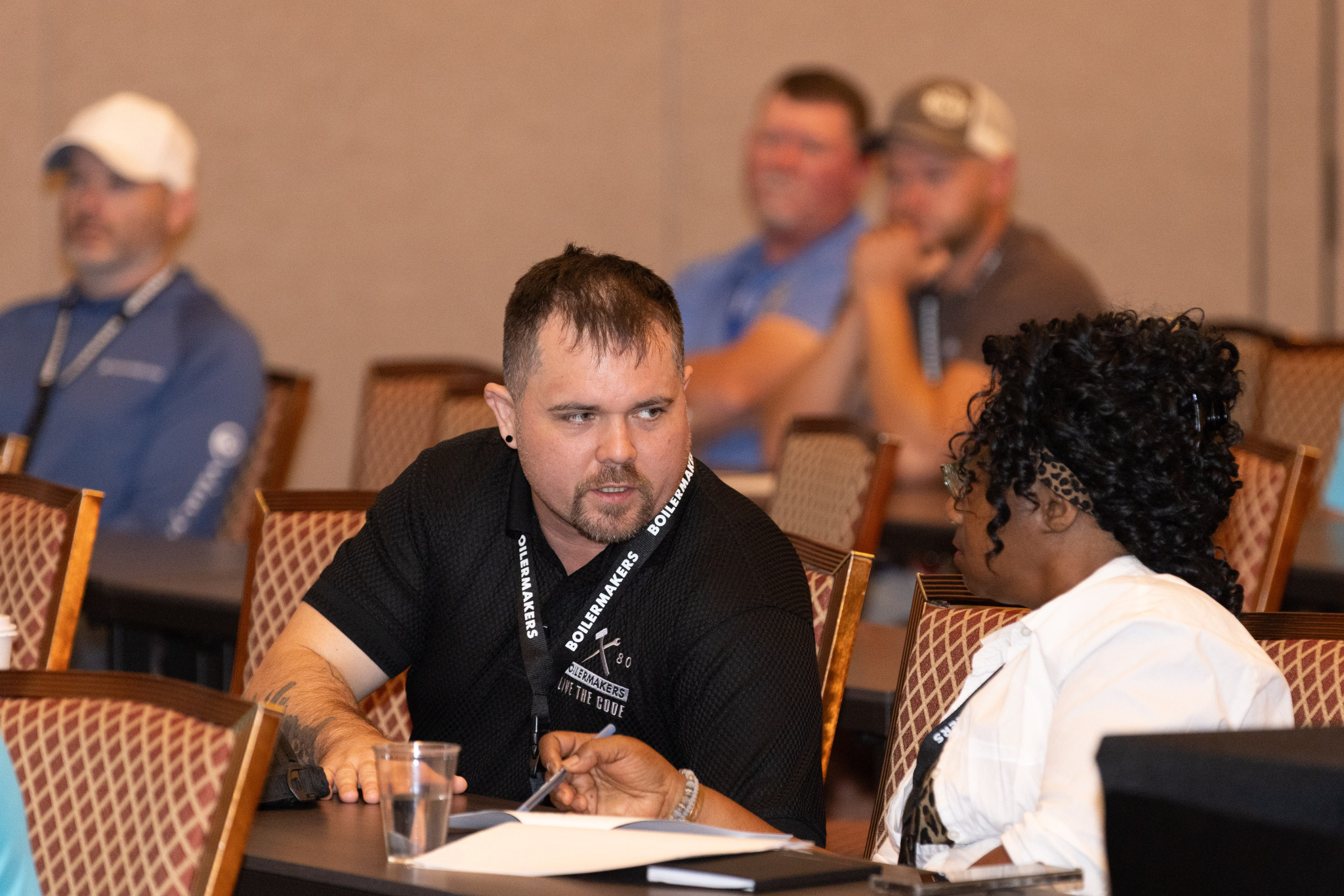
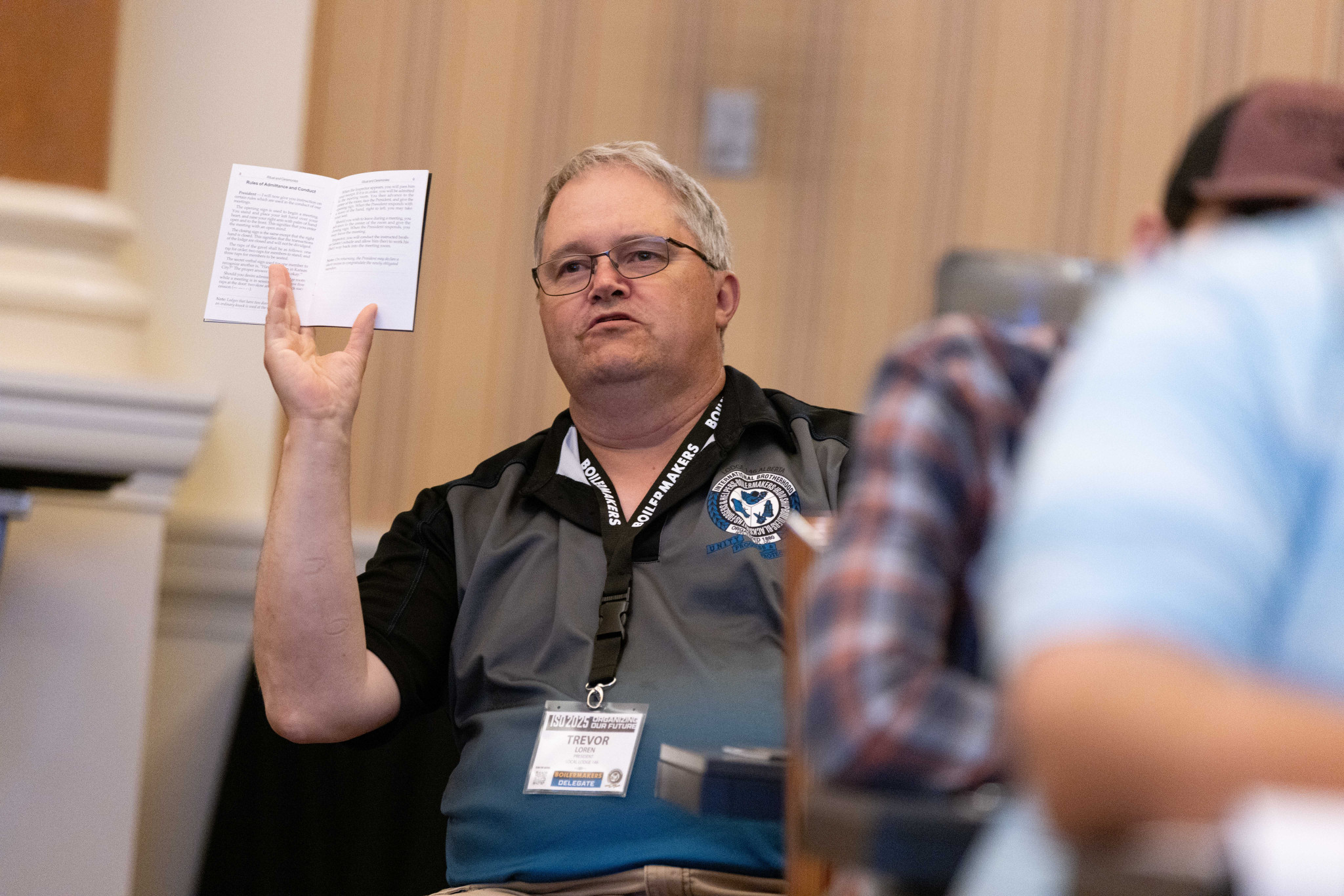
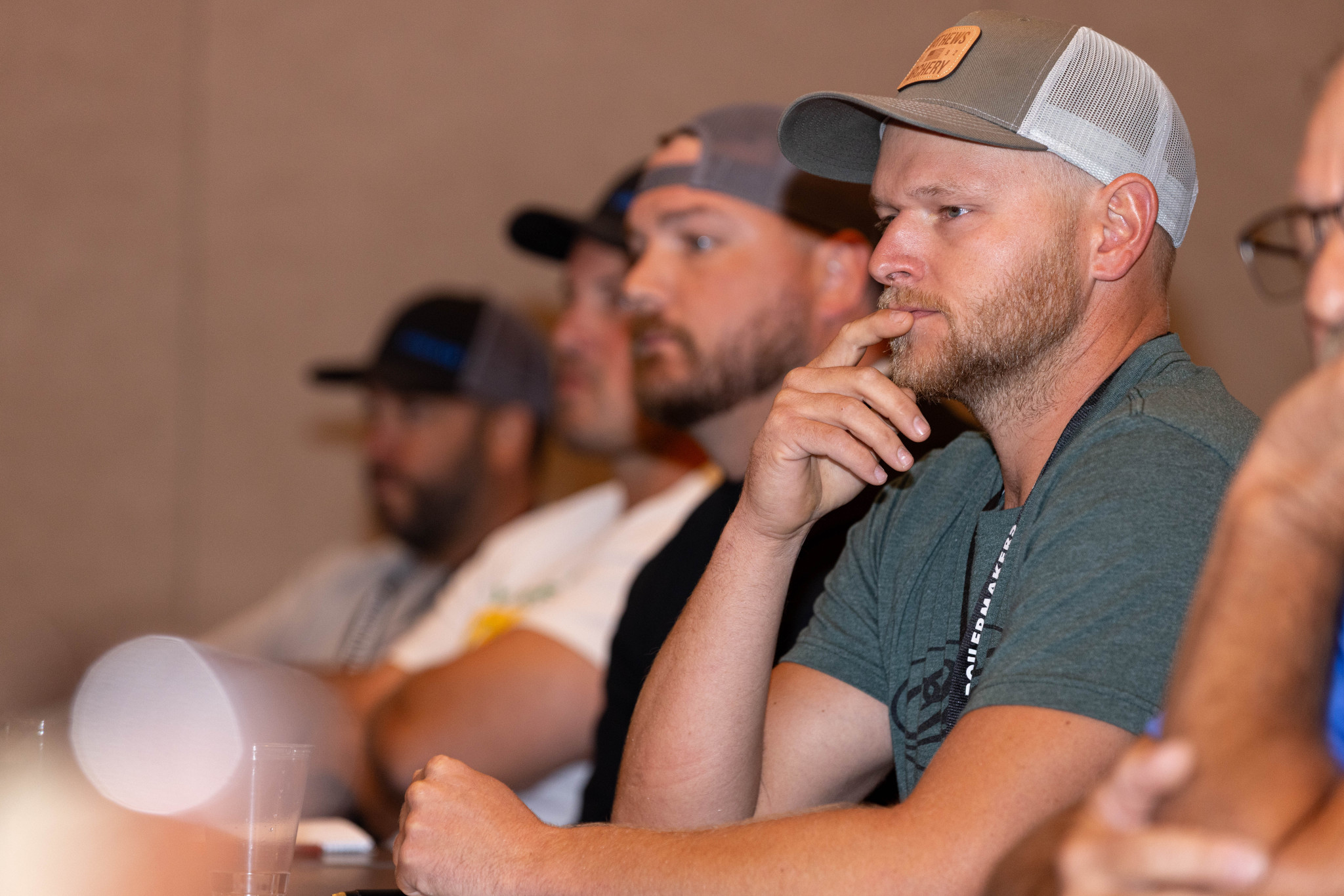
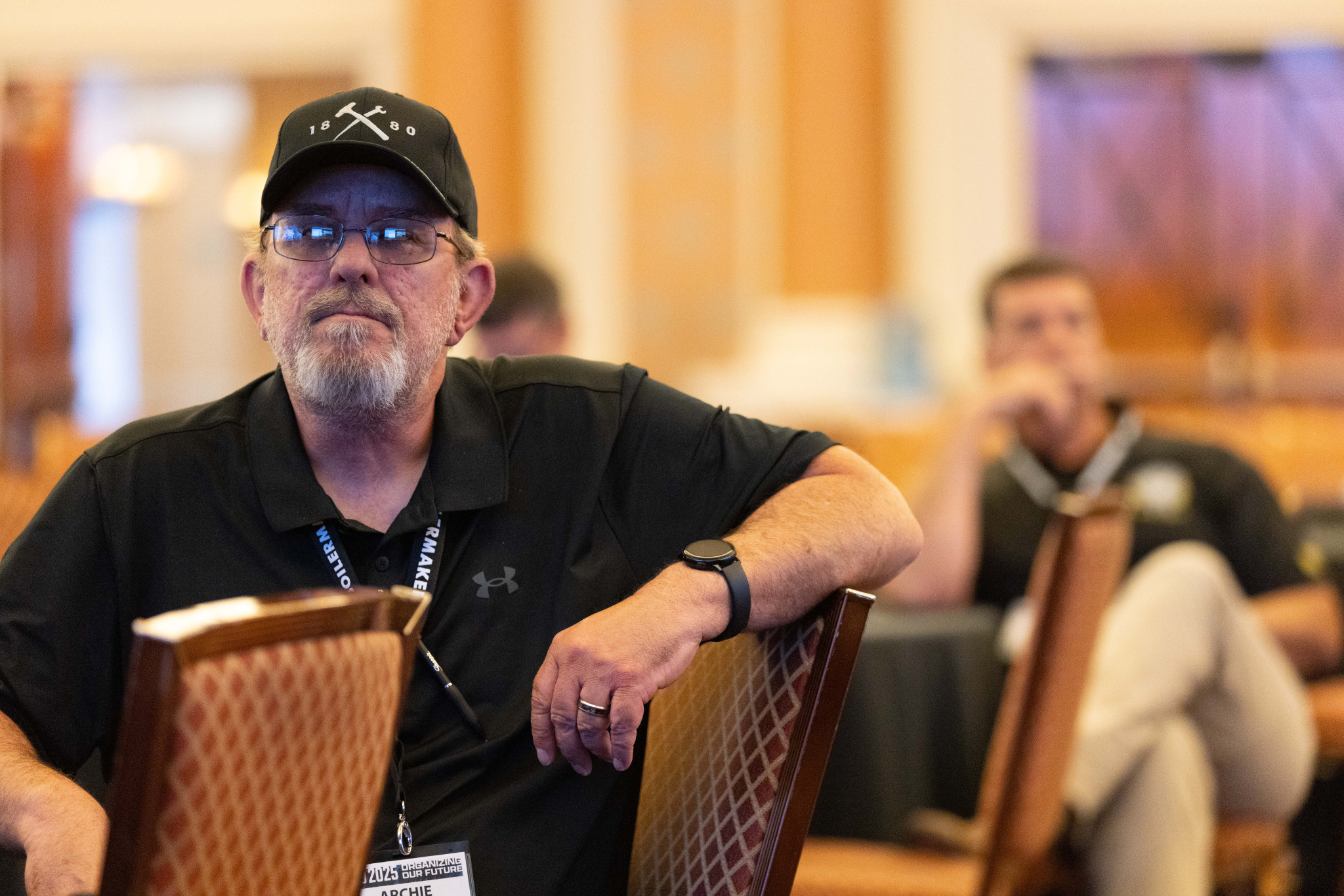
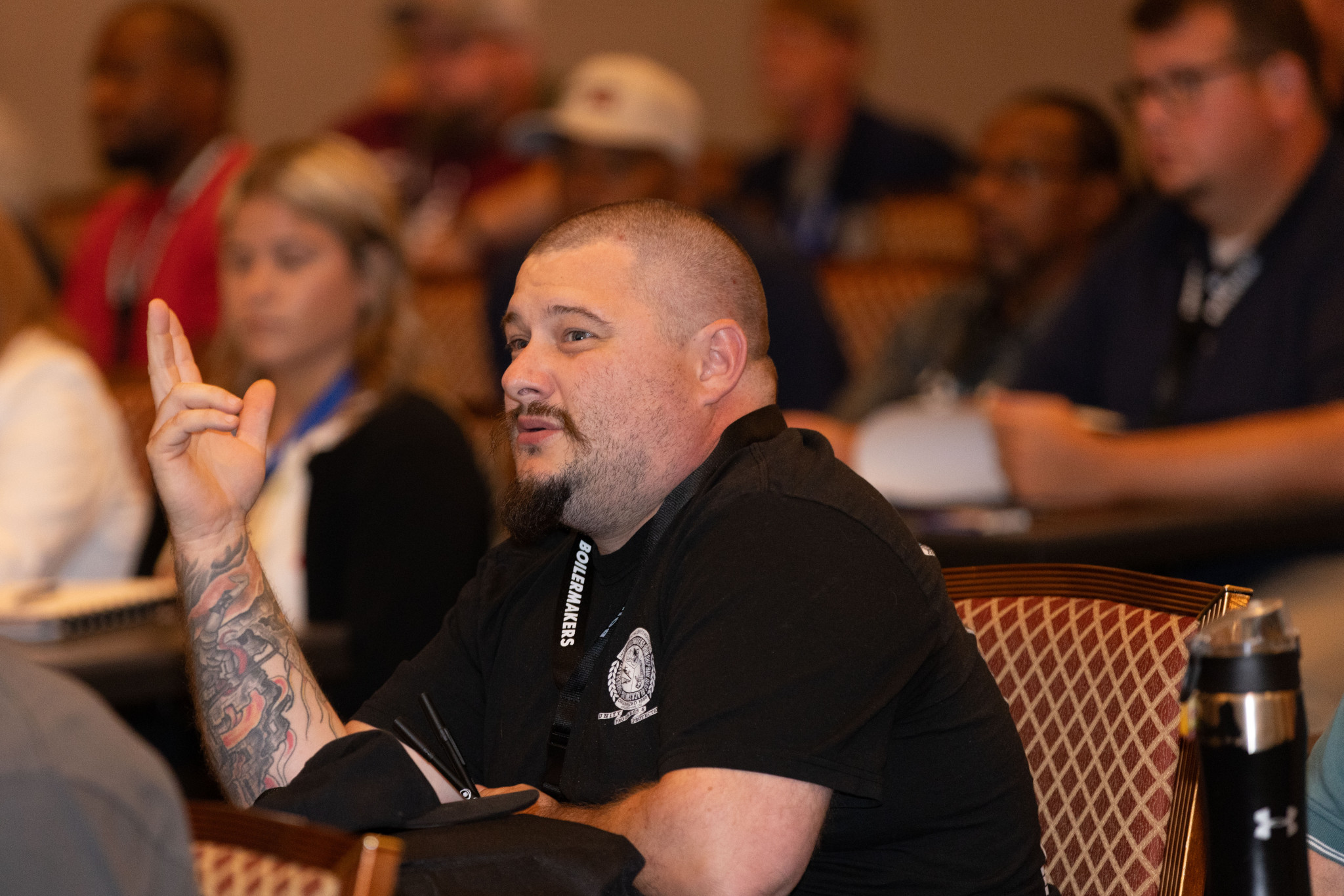
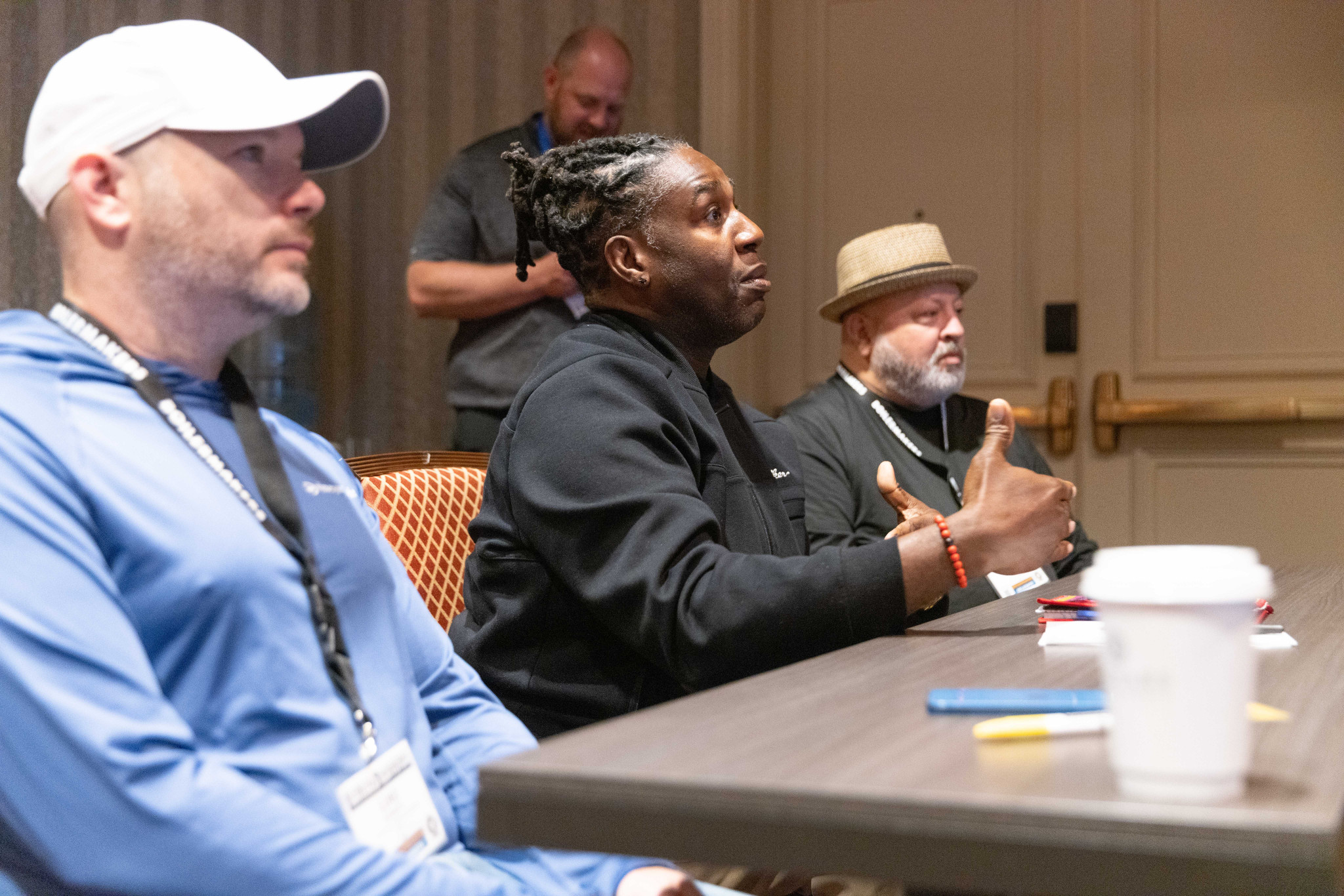
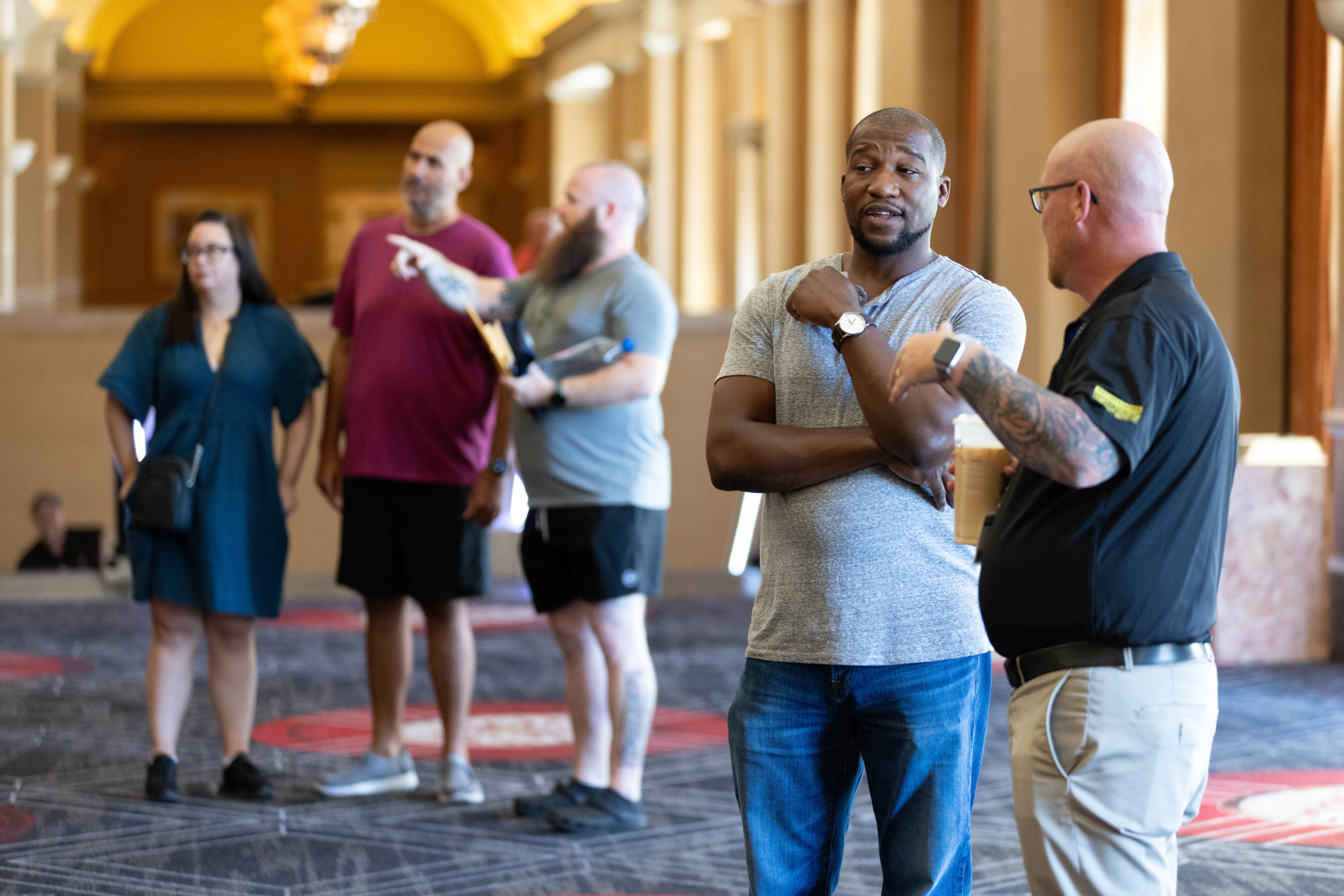
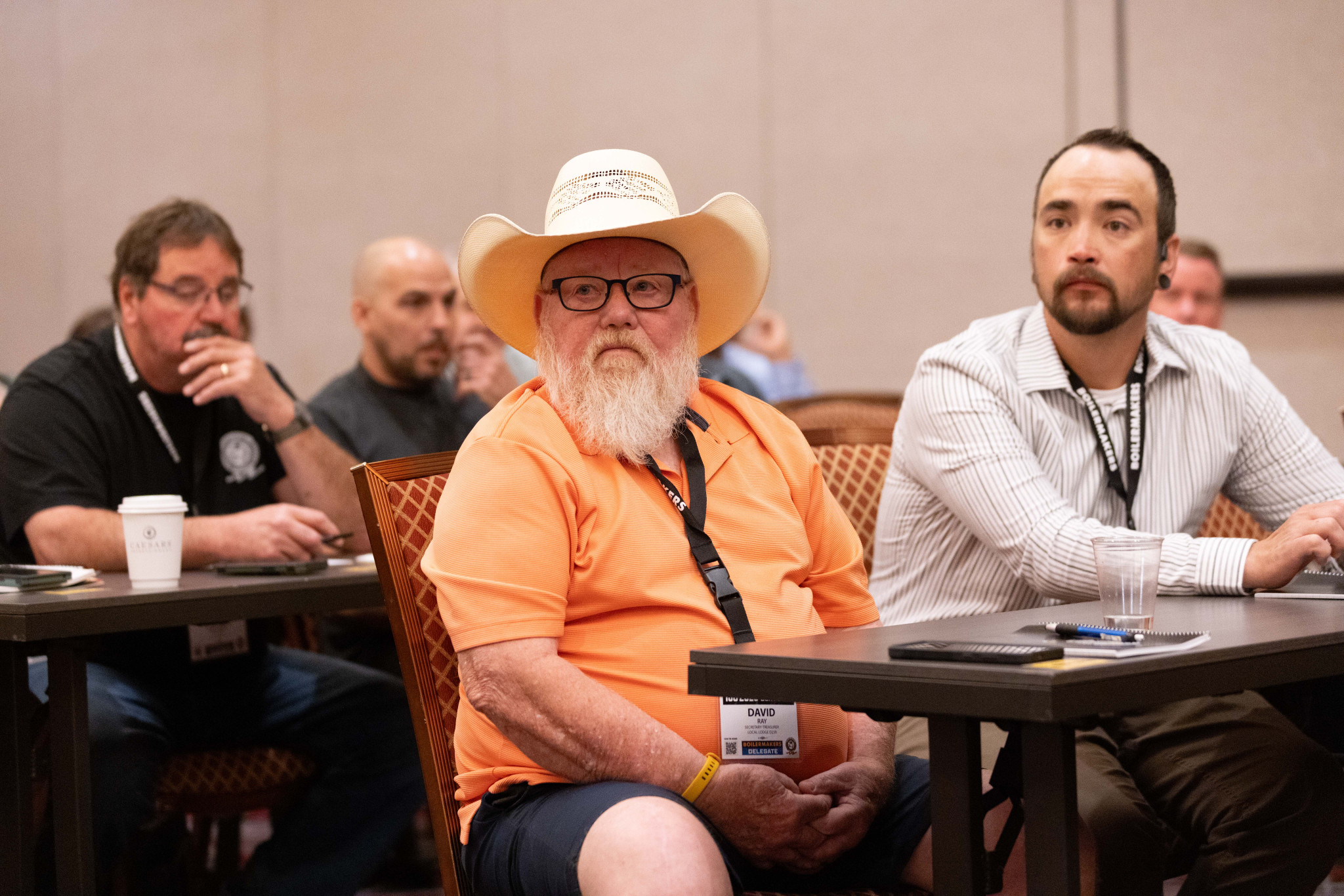
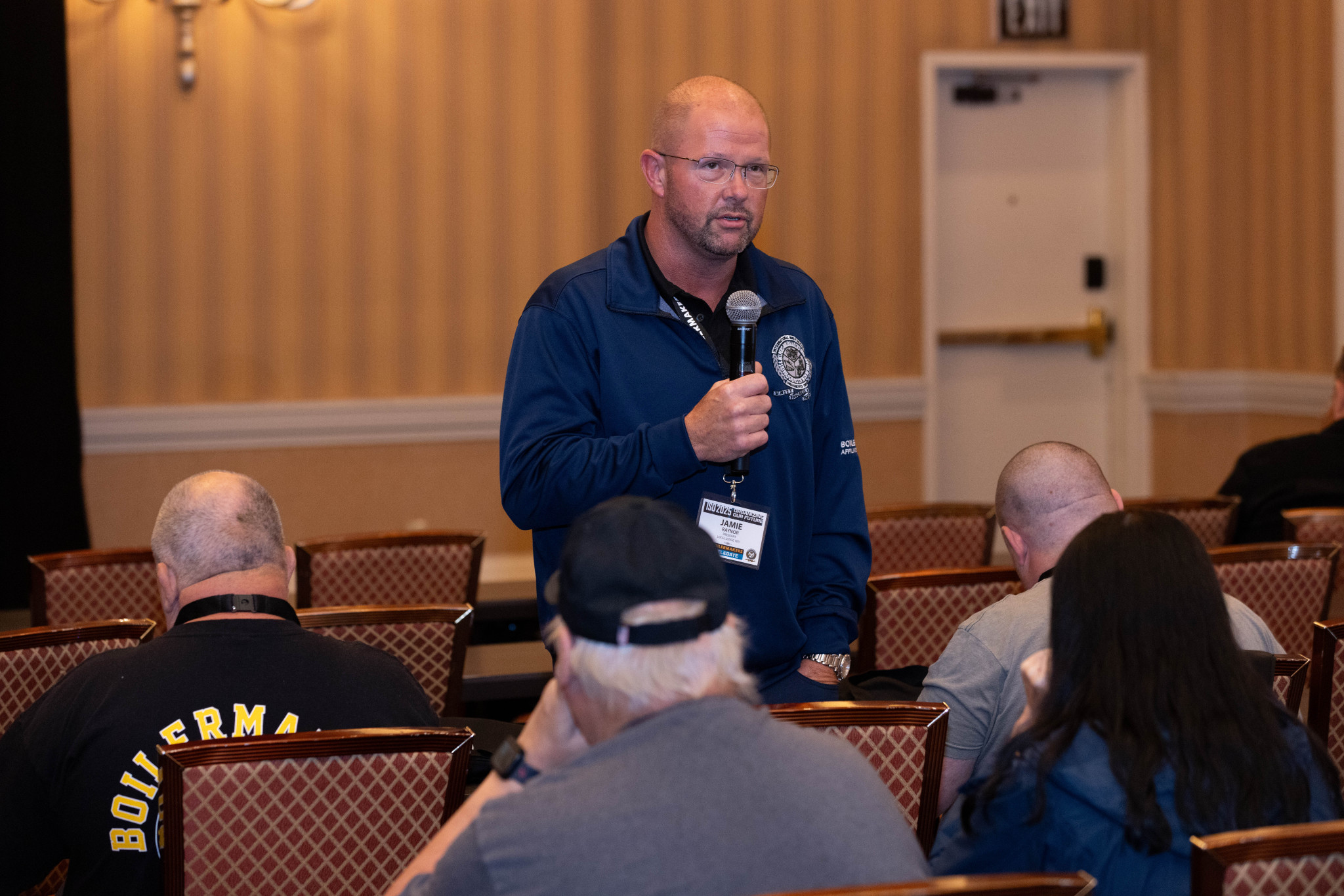
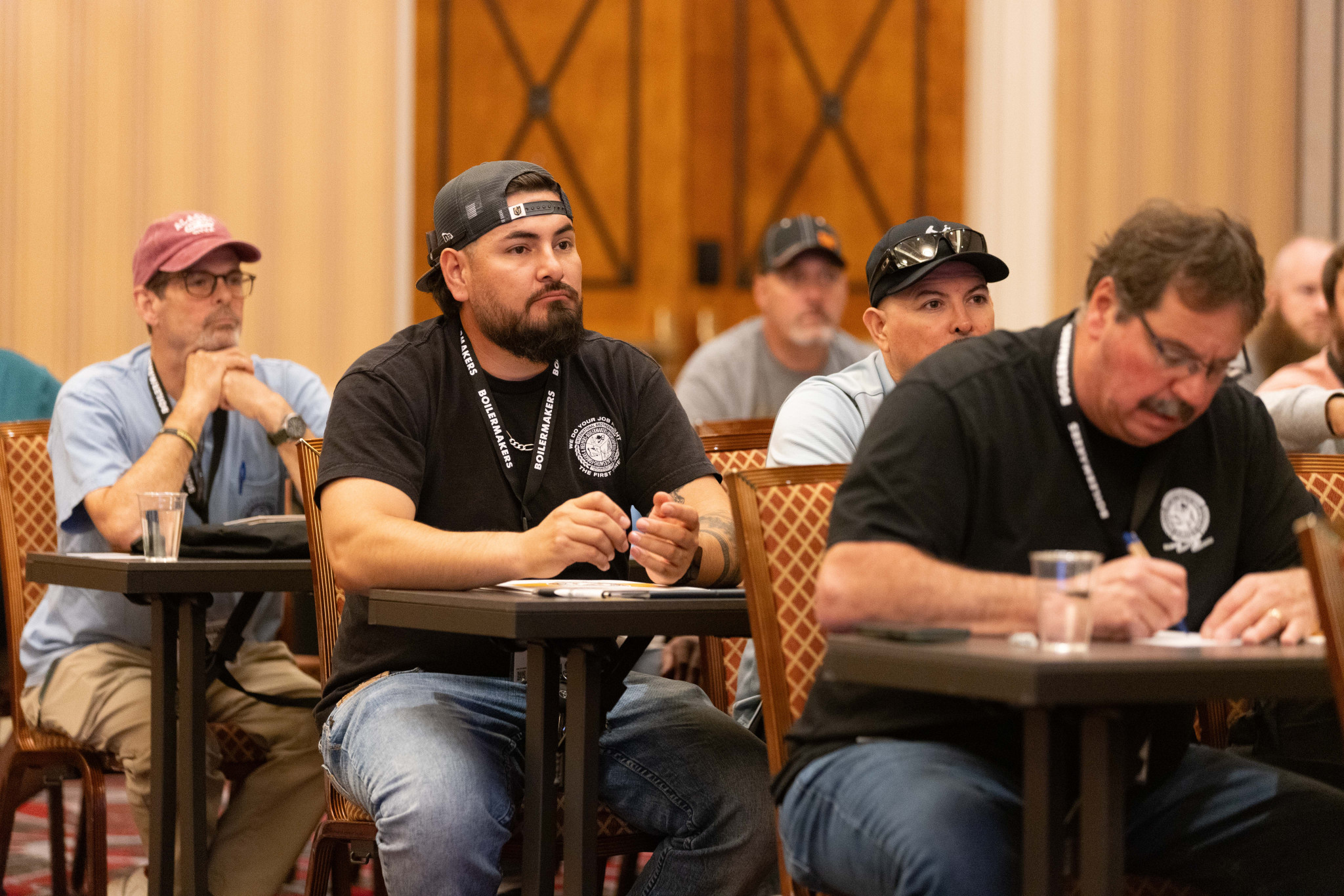
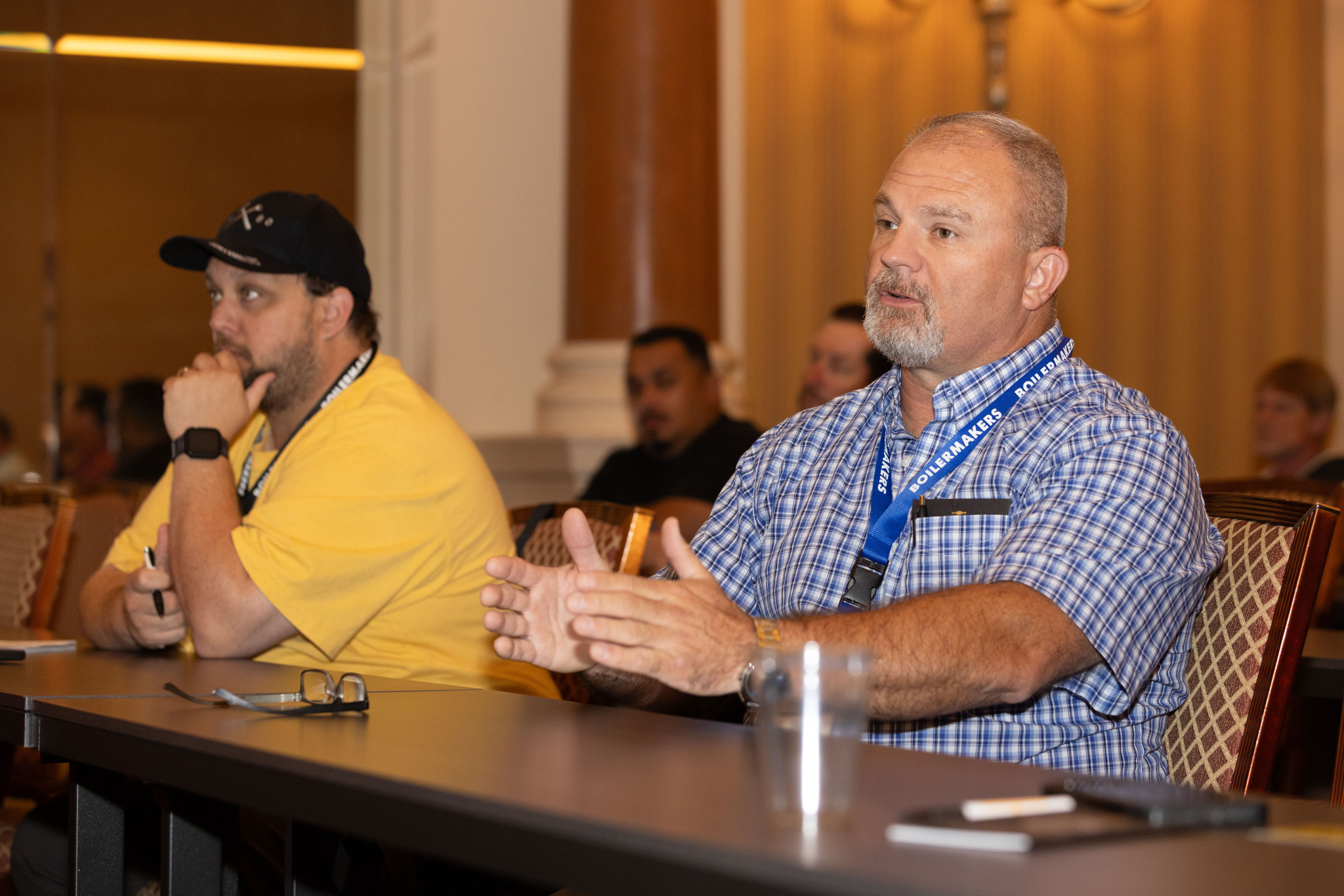
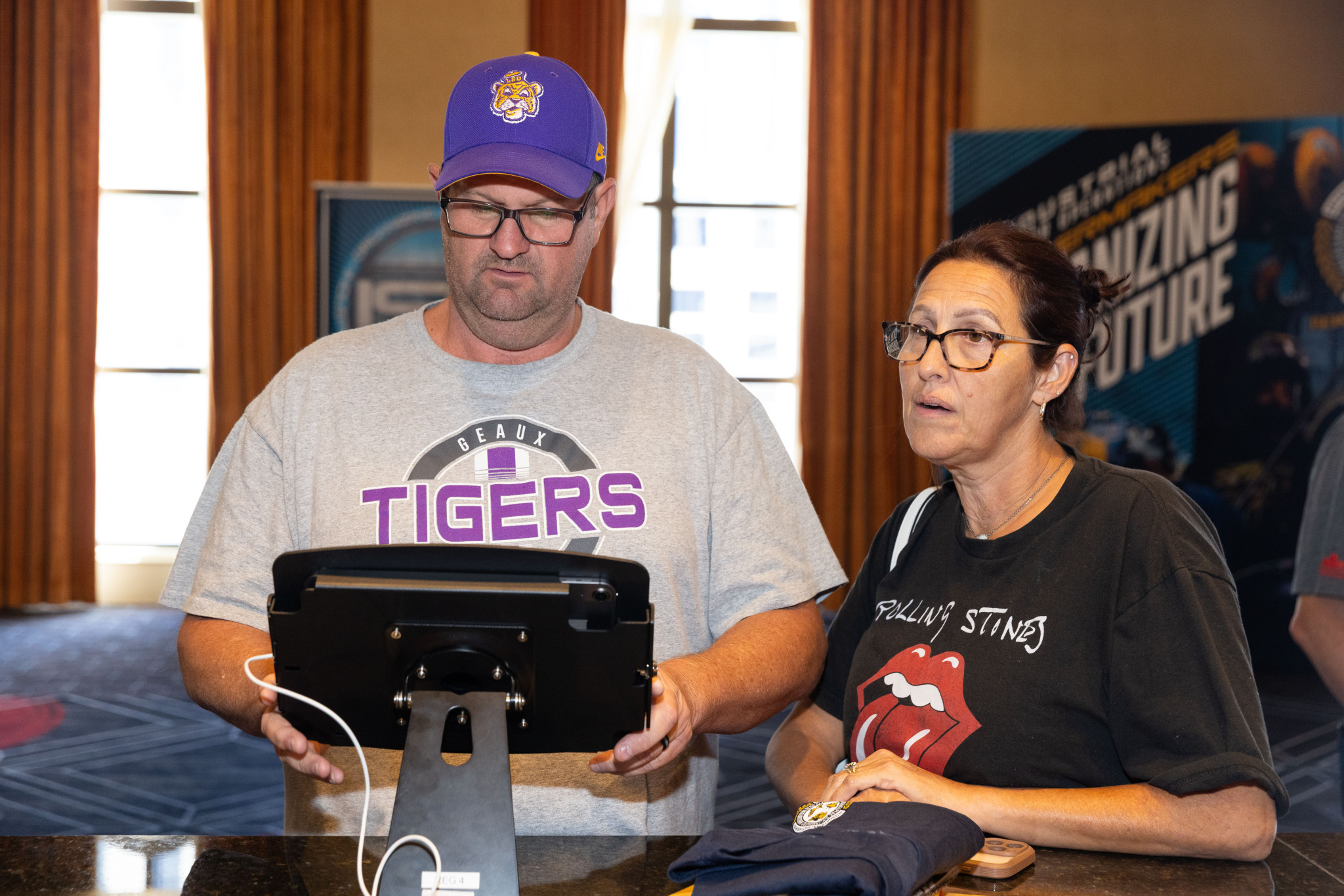
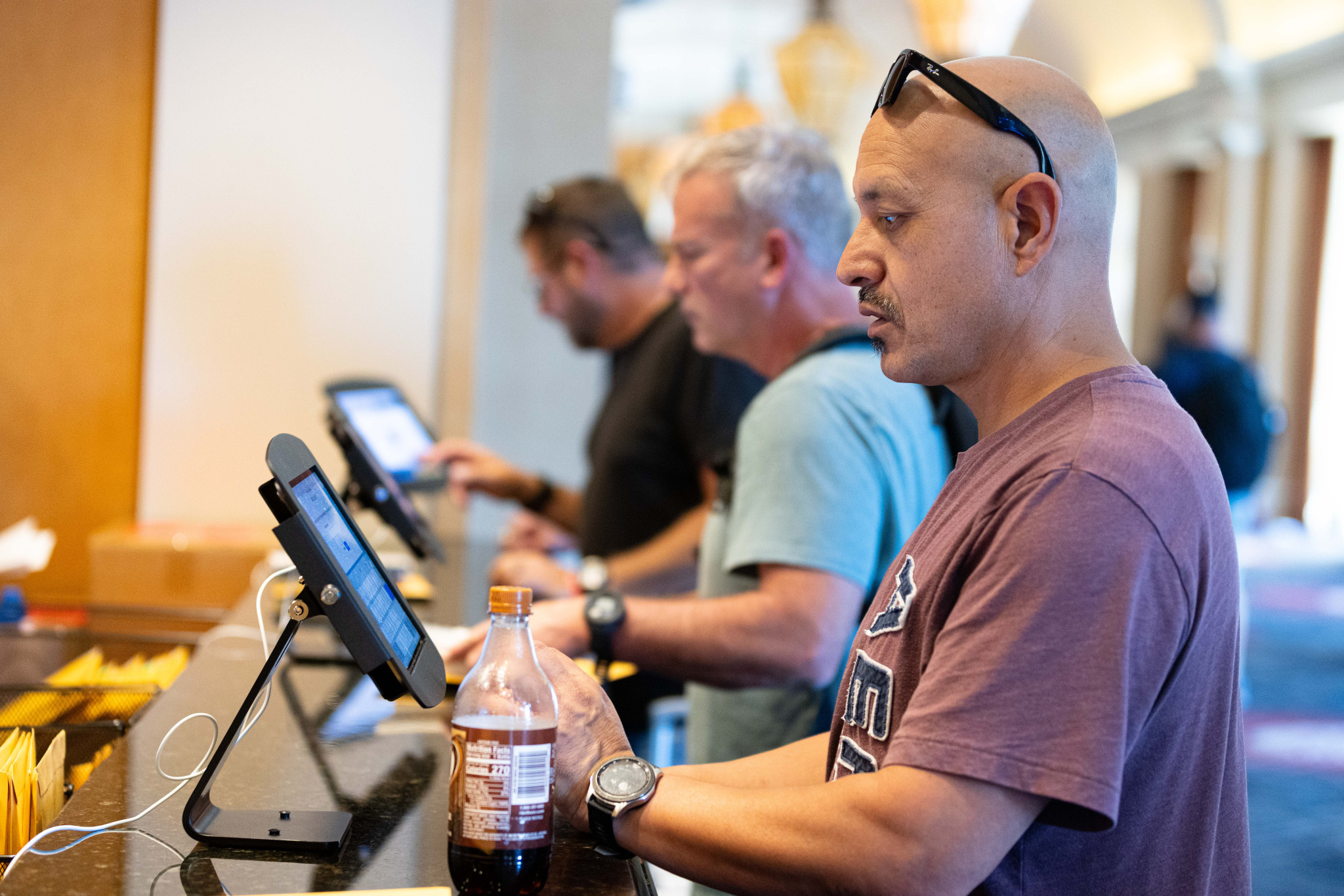
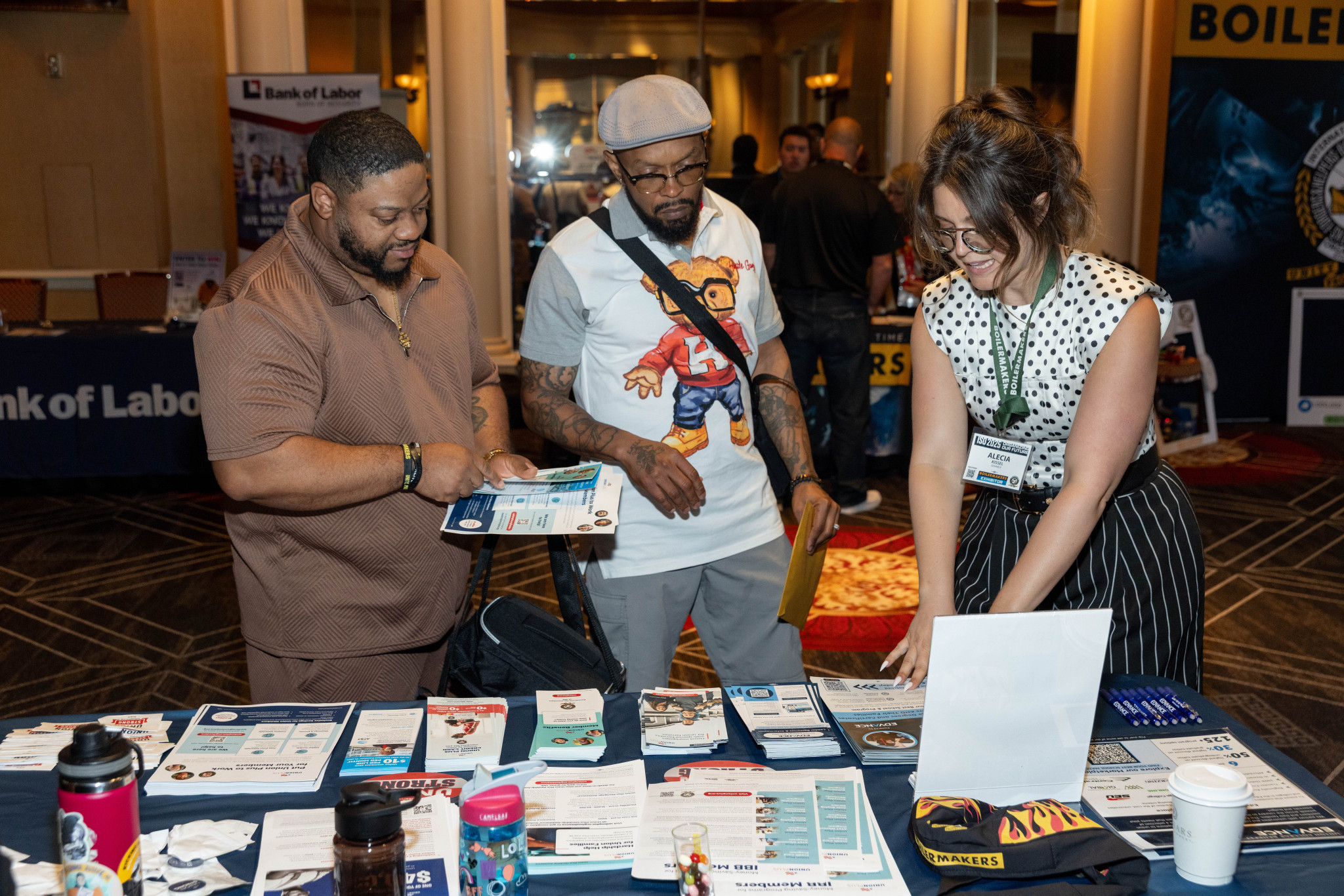
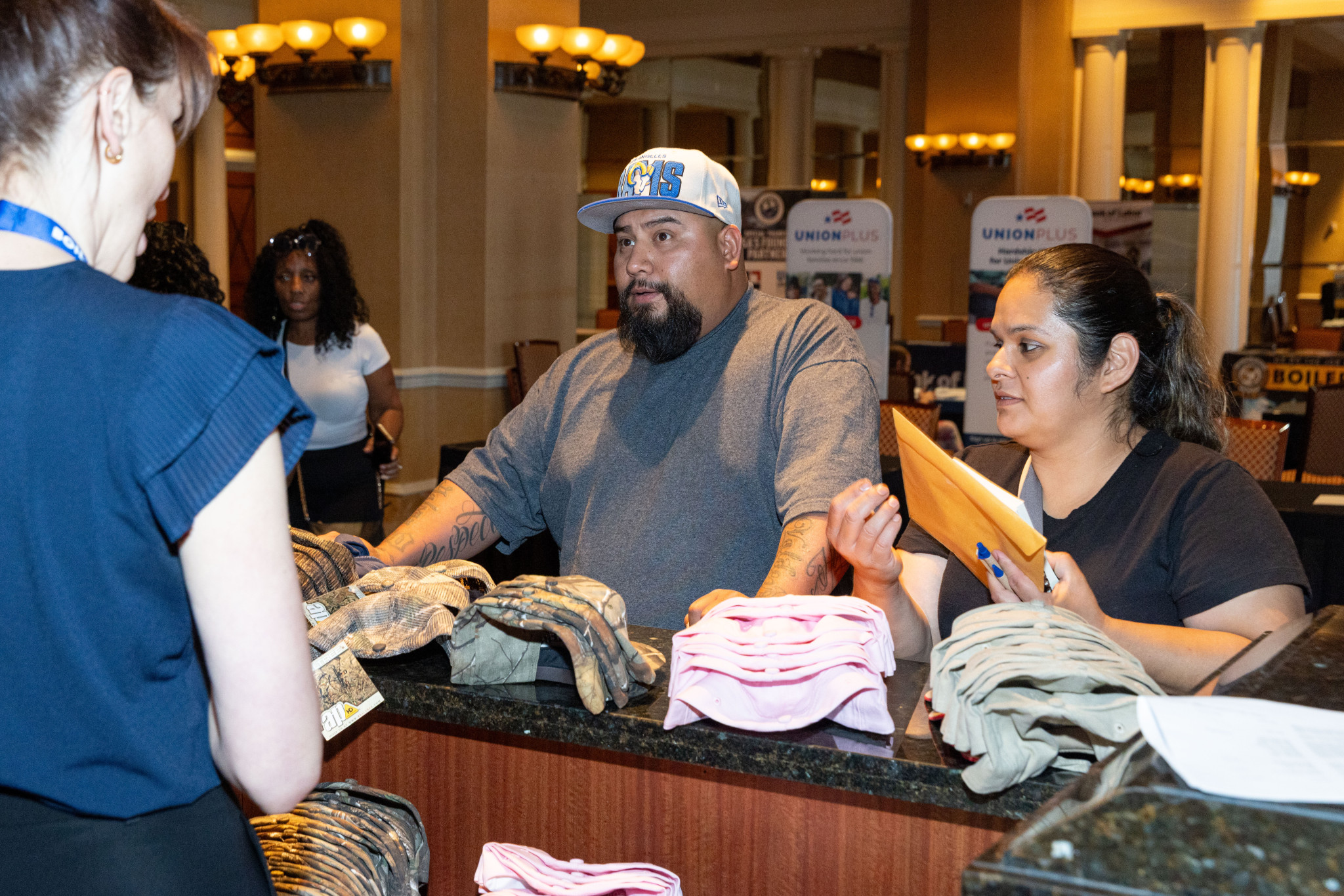
For attendees at the 2025 Industrial Sector Operations Conference, there was no mistaking the union’s priority: Organizing. The theme “Organizing Our Future” permeated the conference, July 30 to Aug. 1 at Caesars Palace in Las Vegas, igniting excitement to join bold efforts to grow the union and to give more workers a voice on the job. Attendance was just shy of 300, including Boilermakers in Industrial Sector lodge leadership roles, officers, staff, vendors and guests.
“This union was not formed in the shadows, but on the streets,” International President Timothy Simmons reminded attendees in the opening plenary session. “It was formed by men and women who refused to sit idly by while their fellow workers were singled out and targeted by the companies they worked for. It was formed by those who rose up and demanded a living wage. It was formed by those who stood together, shoulder to shoulder, and fought so that you and I could have better wages, safer working conditions and a seat at the table of prosperity.”
Powerful remarks by Simmons set the stage for an inspiring conference focused on building the International Brotherhood of Boilermakers’ future and celebrating forward momentum. He reported that for the first time since 2021, the union is in the black, and he detailed the work and changes that have taken place to ensure union funds are properly accounted for and used to serve members.
“Let me be clear,” he said, showing a slide detailing union accounting. “The International Brotherhood of Boilermakers is fiscally sound and preparing for unprecedented growth across all sectors.”
He also talked about the union’s investment in recruiting, organizing and strategically planned campaigns—which is already paying off in organizing wins and gains in ongoing campaigns.
The spotlight was on the Boilermakers who’ve led organizing efforts, illustrating the point that organizing is vital to the union and to those who become part of a unionized workforce. During the opening plenary session, organizers and International Reps gave lively testimonies highlighting recent organizing activities.
“This is why we do it,” each said, punctuating their remarks as they shared photos and stories of the workers who will benefit from unionization. Some of the newly organized workers attended the conference and made a surprise appearance on stage to celebrate why organizing matters and to rally everyone to get involved.
“Everyone in this room benefits from those who paved the path before us by saying ‘yes’ to fight for union representation,” said Don Hamric, Jr., Executive Director-ISO. “So, we organize because we have the privilege of being unionized workers and because we owe it to those who don’t have that privilege yet… We organize because when we build our strength in the Boilermakers union, we build the strength of unionized workers everywhere.”
Bookending the conference with a call to action, during his closing session remarks IP Simmons announced a new incentive program to encourage more Boilermakers to actively participate in the union’s organizing efforts.
“Brothers and sisters, will you stand with me and commit to working with the leadership of this labor union to help us regain the momentum we have lost and be a voice for those who are still struggling on their journey to economic prosperity?” he charged.
Mental health also took top billing in conference topics. Canadian Health & Safety Representative Blair Allin, Director-Canadian Health & Safety Services Jason McInnis and Director of Health & Safety Services Mark Garrett stressed the importance of treating mental health with the same level of attention as physical health—especially for workers in construction and industrial industries.
McInnis noted that workers in the construction industry die from suicide at a rate three times higher than that of the general population.
“Let that sink in,” he said. “These same hands that build and maintain the infrastructure that powers our nations—the same minds that solve complex problems under extreme pressure—are the same minds struggling with a crisis that’s harming our brothers and sisters at an alarming rate.”
With many taught early in their careers to bury their feelings or “leave their feelings at the gate,” it is paramount to remove the stigma that taking care of mental health or giving attention to mental health is a sign of weakness.
In addition to addressing the full conference in the opening plenary session, Allin and McInnis led several multi-part breakout sessions, repeated throughout the week, to teach Boilermakers more about mental wellness, how to identify changes that might indicate a person is struggling and more. Garrett reminded everyone that the Boilermakers union has materials and a program available to guide people to help. He said the goal is not for Boilermakers to become counselors, but to make sure people can find the help and resources they need.
Allin said that as Boilermakers, it’s the responsibility of brothers and sisters to look out for one another, notice when someone changes their behavior and start a conversation.
“We spend at least five days a week with our Boilermaker family—sometimes more than we spend with our own families,” he said.
McInnis agreed: “Whether we’ve met in person or not, we’re Boilermakers and we look out for each other…we need to carry that same solidarity to promote good mental health. If you see a brother or sister who’s not themselves, don’t ignore it or assume someone else will handle it. Start the conversation. It might be uncomfortable, but it could save a life.”
Also addressing the plenary audience was Director of Government Affairs Cecile Conroy, who gave an update on current legislation impacting Boilermakers and the labor movement. She walked through the Protect the Right to Organize Act, the Protect America’s Workforce Act and measures in the Tax Reconciliation Bill, as well as tariffs.
Of special importance to Boilermakers working in federal shipyards and in areas under government contract, an executive order earlier this year eliminated federal workers’ rights to collective bargaining under the guise that collective bargaining in the federal sector poses a “security threat.” Conroy said some agencies have already cancelled contracts with unions as a result. This directly impacts 850 dues paying Boilermaker members.
To combat the executive order and restore federal workers’ bargaining rights, on July 17, the Protect America’s Workforce Act was introduced in Congress as a discharge position. Unlike traditional bills, Conroy explained, discharge positions can go directly to the floor rather than through committee—but Representatives must be physically present to go to the congressional clerk to sign their name to the petition. If a majority of signatures is achieved, the bill is automatically passed in the House of Representatives and moves on to the Senate. With 218 signatures needed, the measure was only nine signatures shy when congress was abruptly recessed in July. Now that Congress is back in session, many trades are promoting efforts to spur representatives to add their signature.
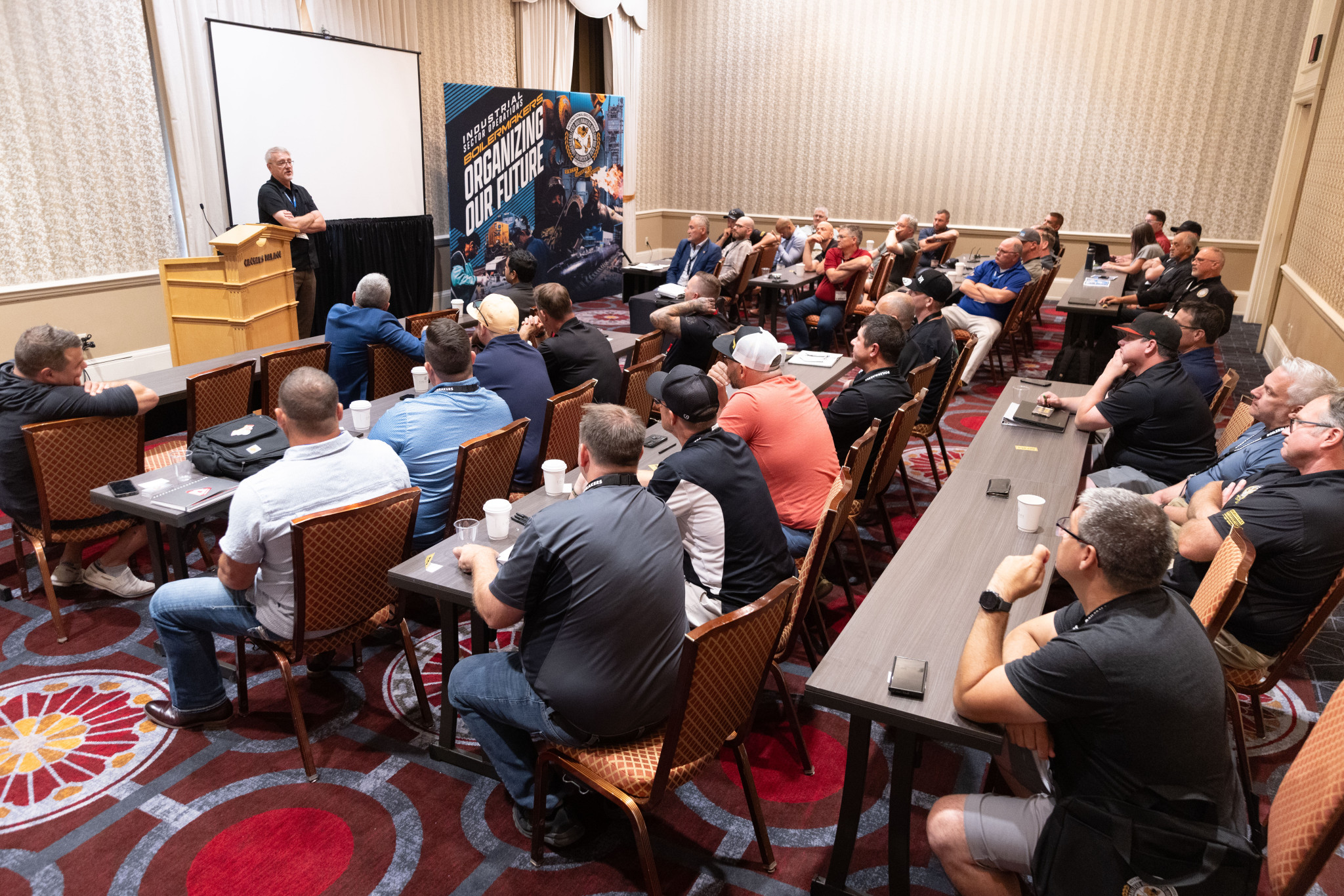
As with past ISO Conferences, Boilermaker attendees chose between an array of breakout sessions to build their leadership skills. Workshop topics included industry-specific training, such as railroad retirement and railroad’s Federal Employers’ Liability Act; Canadian- and U.S.-specific focuses on organizing, health and safety initiatives and pension and welfare plans; lodge leadership administration training, such as best practices for lodge finances, quarterly audits and LM and 990 reporting; general lodge and union business, such as steward training, grievance handling and Roberts Rules of Order; an open-forum legislative session; and general workshops on lodge websites, Boilermakers History Preservation Department offerings and best practices for communications and social media.
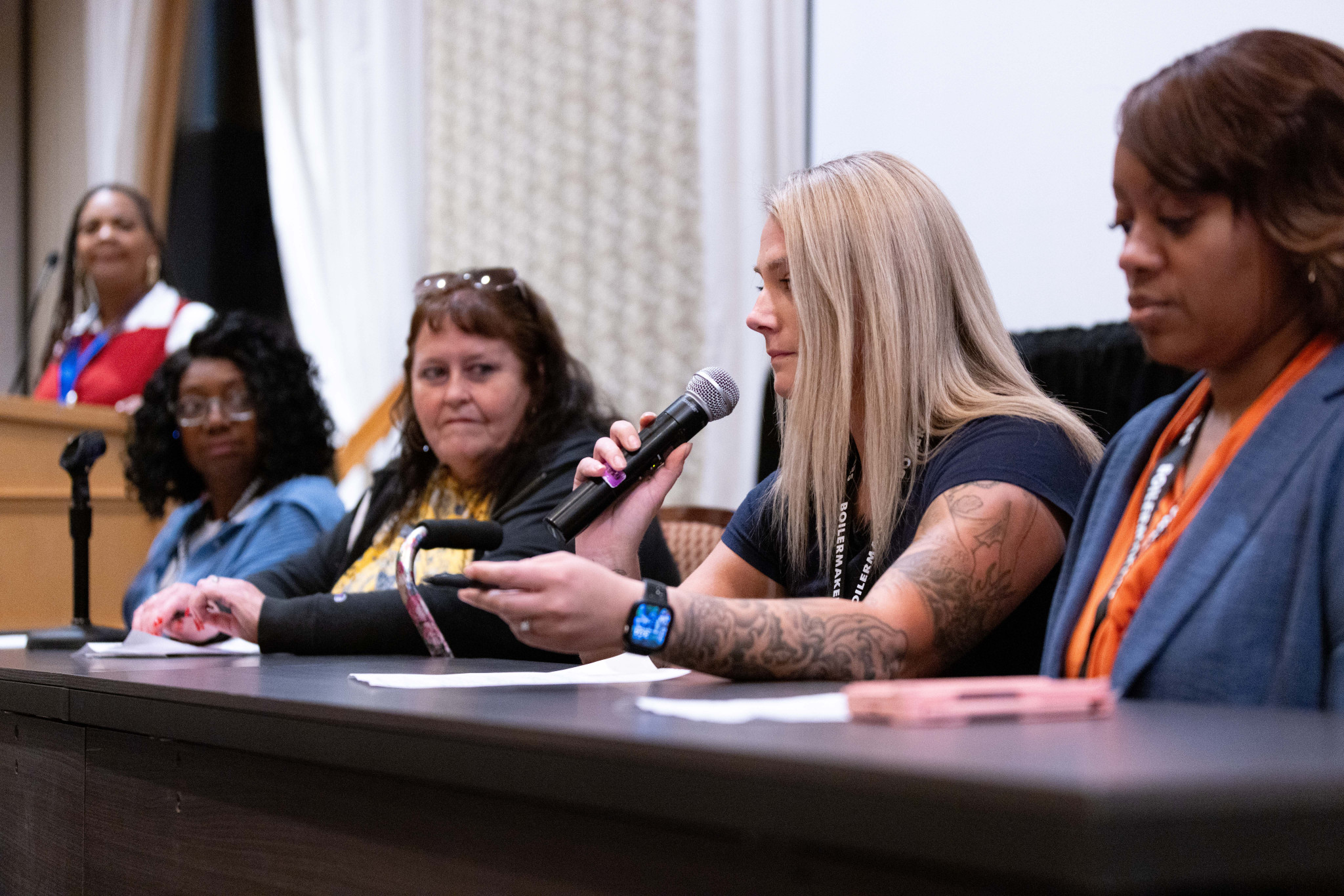
One especially popular breakout session was a Women at Work panel facilitated by Erica Stewart, Diversity Organizer and Recruiting Coordinator, M.O.R.E. Work Investment Fund.
The standing-room-only session featured four panelists—women who have risen to leadership roles in the Industrial Sector—addressing issues they’ve faced in the workplace, their career paths and bright spots on the job. Panelists were Martina Taite, President of Local 693 (Pascagoula, Mississippi); Shealynn Roberts, Recording Secretary of Local 290 (Bremerton, Washington); Helena Ringo, Secretary-Treasurer of Local 684 (Norfolk, Virginia) and Debora Quinn, President of Local 212 (Geneva, Ohio). They also discussed how they found advocates in their workplaces—including their Boilermaker brothers—and how women can advocate for other women rising into leadership. Women Boilermakers were invited to attend a networking reception honoring Boilermaker Women at Work.
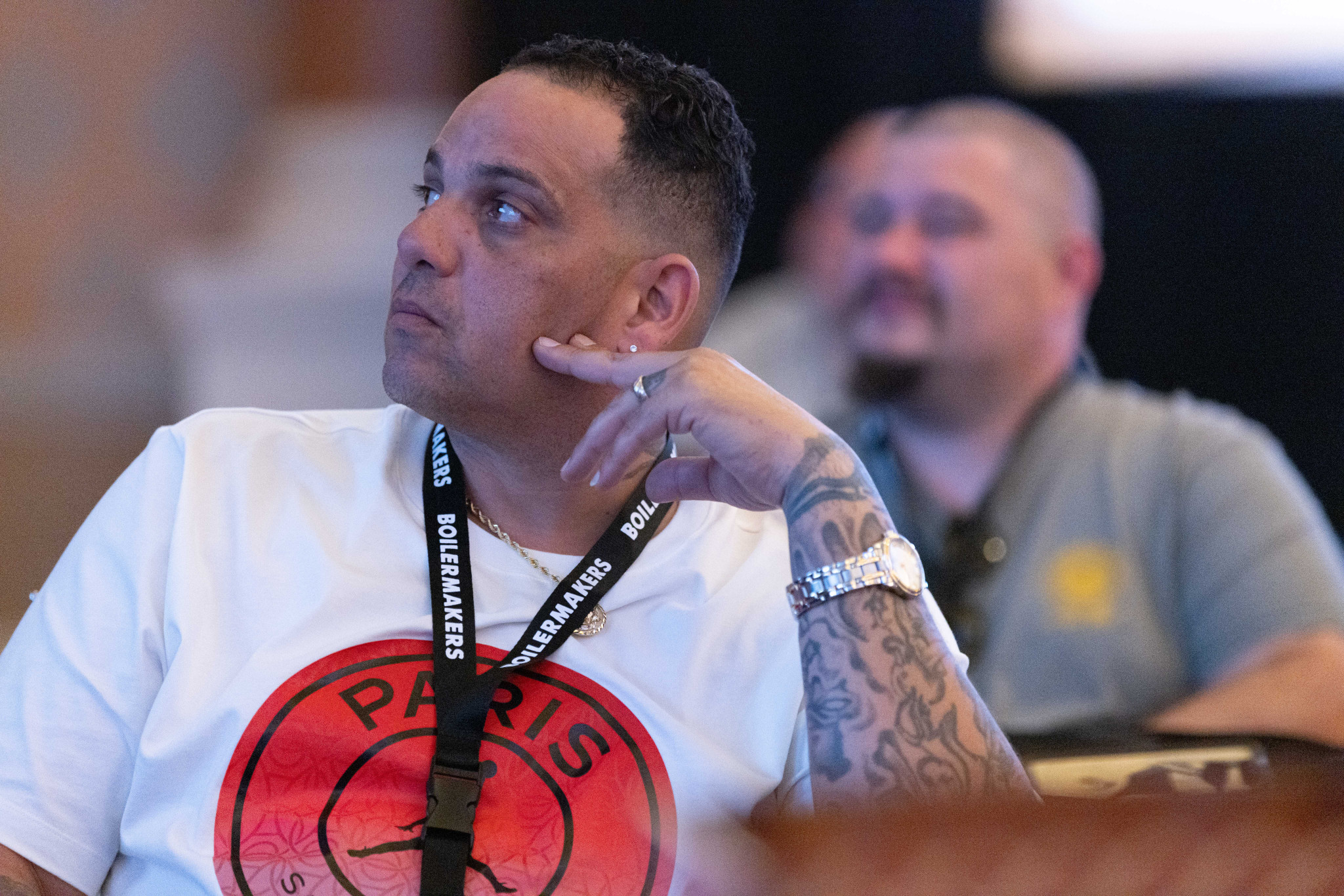
The general consensus among conference participants, as gathered in conference surveys and in conversation, was that the 2025 ISO conference maintained informational workshops and brought heightened energy.
“It was a good energy and a good audience,” said Eddie Walker, president of Local 1999 (Norfolk, Virginia). He pointed out that there were many workshops he wanted to attend. “I went from class to class soaking in as much as I could.”
This is the second ISO conference he has attended, and he said it’s important for him, as a lodge leader, to go: “I want to be part of the change I want to see.”
At the conference close ED-ISO Hamric called on participants to do just that.
“Take the information back to your local lodge, share it with your brothers and sisters. Share it loud and proud. Don’t let it die in the desert, let it ignite a fire in your lodge,” he said. “It’s not just about giving the best of our time and our efforts to what we’re doing, but also giving the best to ourselves in opportunities to learn, to grow, to build our skills—to do better and to be better.
“We are better today because of the 145 years of honorable Boilermakers who went before us. We must do better today for those who will go next…Show up. Participate and encourage others to get involved—because that’s what Boilermakers do.”