In 1904, Boilermakers were on strike against the Santa Fe Coast Lines, demanding higher wages and better treatment. The Civil War had ended 39 years earlier; World War I was still a decade away. Women in the U.S. wouldn’t win the right to vote for another 16 years. Canada was still a self-governing dominion of the British Empire, not yet fully independent.
At that time, there were 435 Boilermaker lodges across the United States and Canada, along with 139 Helpers’ division lodges. Each one knew exactly why it existed: to counter the concentrated power of capital and gain a better standard of living for all.
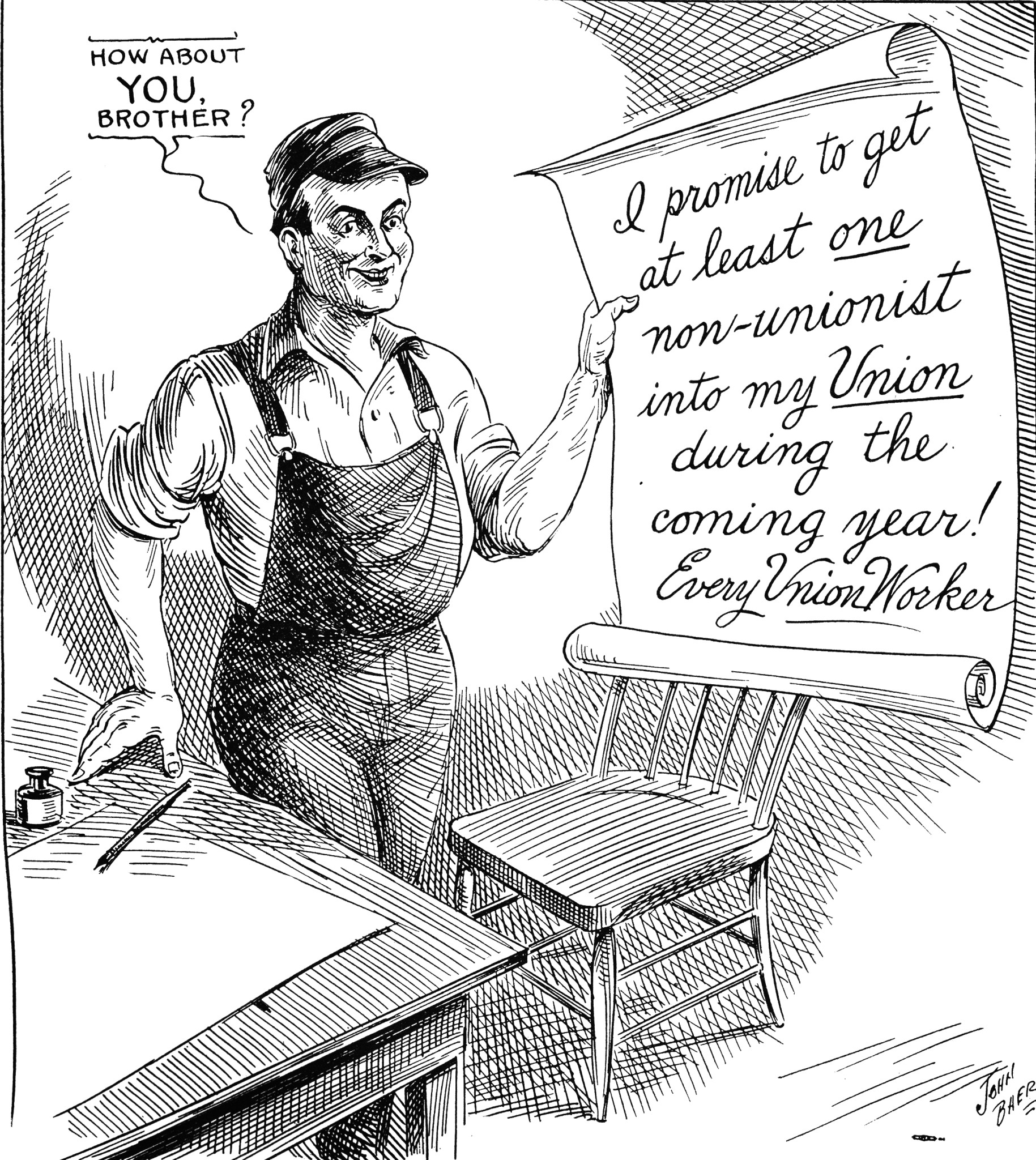
The Boilermakers understood what was at stake. They knew that only through unity would workers win fair wages, safe working conditions and dignity on the job. They also knew that strikebreakers undermined that unity. To protect the collective cause, they blacklisted scabs and published their names and photos, urging all lodges to deny them re-entry into the union.
In the October 1904 issue of The Journal of the Brotherhood of Boilermakers and Iron Ship Builders of America, E.F. Lee’s essay, Trade Unionism in the Best Interests of the Country, made a timeless argument: strong unions are good for the nation. That truth hasn’t changed in 121 years.
“The labor union is a natural and inevitable outgrowth of our industrial life; natural because it is in harmony with the trend of our life in all other phases; inevitable because without organization the laborer would have long since been reduced to abject poverty by merciless capitalists and colossal trusts. Economic, social and political welfare, and the welfare of society for the laborer, is the most fundamental factor of our industrial life. It demanded organization, and it came. Recognizing the absolute necessity for the organization of labor, U.S. Commissioner of Labor Hon. Carroll D. Wright said, ‘The organization of capitalists necessitates the organization of labor. Corporate existence is met by organized labor. There is no other way at present, and this is the only true way.’
“Senator Mark A. Hanna echoed the same truth: ‘The natural tendency in this country and the world over has been to selfishly appropriate the larger share of the benefit of capital. Why have we over 2 million men who have thought it worth their while to join trade unions? Because the conditions of modern industry today have forced them into organization.’”
The same forces are at work today. The power of organized labor remains the only effective counterbalance to the greed of capital. Yet, in 2025, workers are divided by artificial lines such as race, religion or political party, while the wealthy few continue to profit from that division. In the U.S., the top 1% now controls more wealth than the entire middle class.
But there is hope, and it’s growing. Across North America, workers are rediscovering their collective strength. History shows that when unions grow, so does the prosperity of the middle class.
North America is once again in a Gilded Age. And just as in 1904, the cure for capitalist excess is a unified working class that is organized, determined and unwilling to be divided.